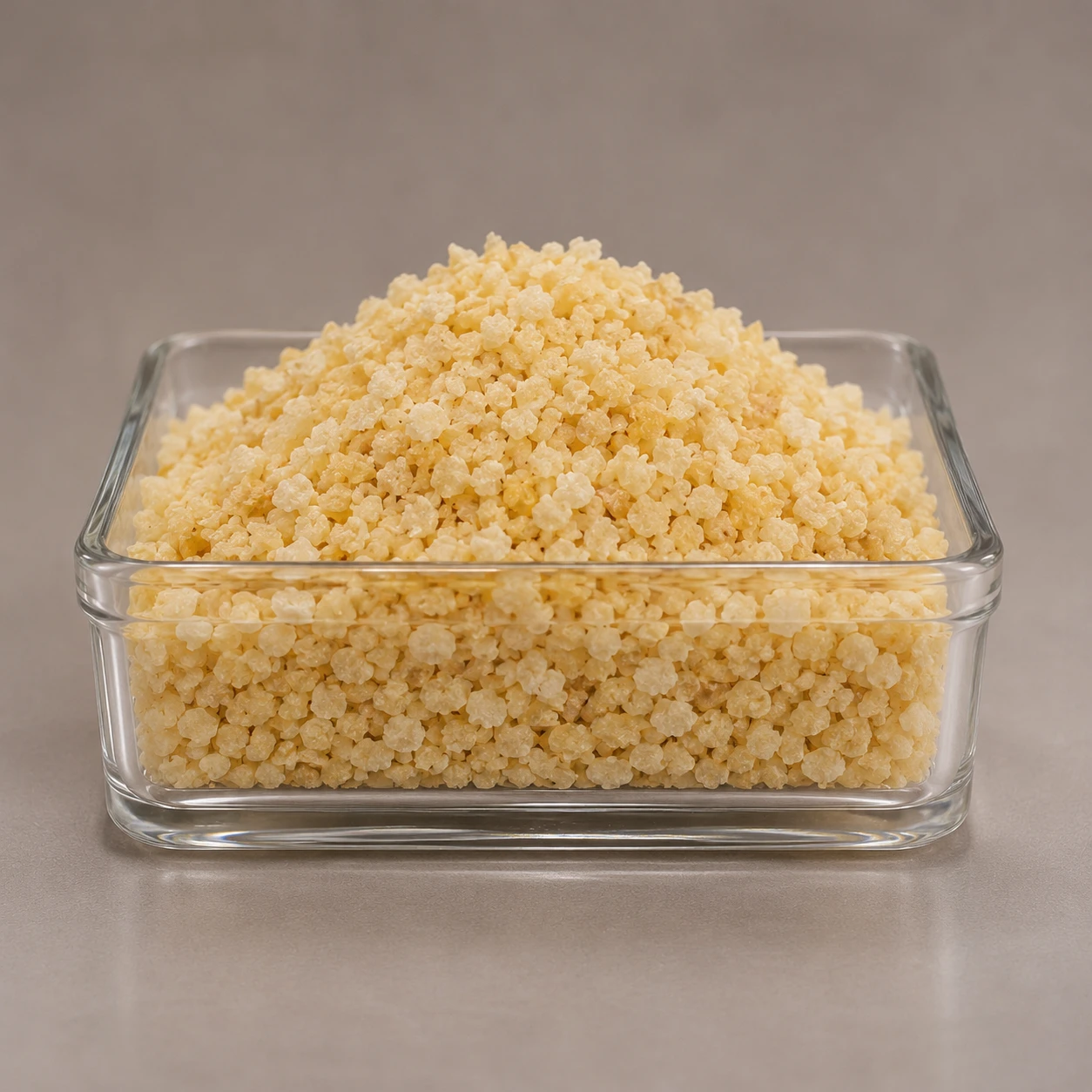
Garlic
Dehydrated Garlic Flakes vs Minced Garlic: Differences, Uses and Applications
Compare garlic flakes and minced garlic against texture, recipe conditions, handling and a documented application trial.
7 December 2026 · 5 min read
Read article ↗ONION & GARLIC PRODUCTS · BULK SUPPLY & EXPORT INQUIRIES WELCOME
Bulk supply & export enquiries welcome
+91 81407 12205
Garlic
Explore garlic formats for wet recipes, dry seasonings and commercial kitchens, with practical sample and procurement questions.
OM Food and Spices LLP · 25 November 2026 · 5 min read
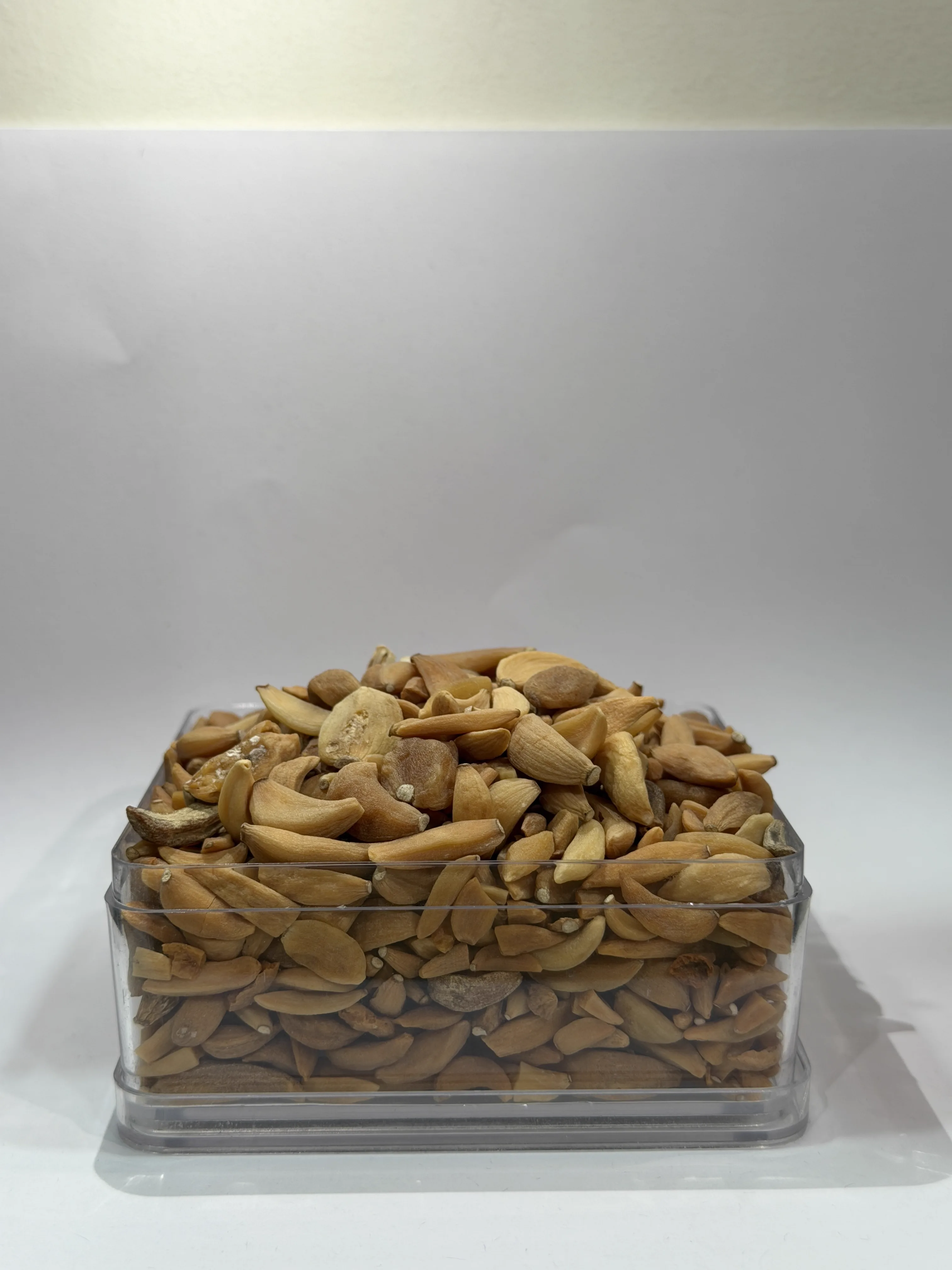
Dehydrated garlic gives food developers several ways to introduce garlic into a commercial recipe. Flakes offer visible pieces, minced garlic provides a smaller inclusion, and powder is a fine-format option for blends and smooth foods. The appropriate choice depends on what the finished product should look and taste like and on the process used to make it.
For manufacturers and commercial kitchens, a successful garlic ingredient decision connects procurement, recipe development and production. This article outlines that decision without assuming universal conversion ratios, treatment claims or shelf-life guarantees.
A snack coating, a cooking sauce and a prepared meal have different ingredient requirements. In a dry snack seasoning, even distribution and coating behaviour may dominate. In a sauce with visible inclusions, particle appearance and texture may be more important. In a commercial kitchen, portion control and preparation procedures also influence which form is practical.
Write the application brief before requesting samples. Include the process stage at which garlic will be added, whether water is present, the normal heating sequence and how the food will be held or served. These facts help explain what a sample needs to demonstrate.
Dehydrated garlic flakes are a visible-piece format. They may suit foods where the recipe calls for recognizable garlic pieces. Check the offered dimensions and the actual appearance after the production process. Do not assume that every flake grade has the same thickness or breakage characteristics.
Minced garlic can offer a smaller visible inclusion for sauces, instant foods and seasoning preparations. Compare its particle-size distribution with the target recipe. A sample that performs well in a wet sauce may not be the right choice for a dry coating.
Granules and powder can be considered when smaller particles are useful. Powder may fit smooth formulations or finely divided dry blends, but dispersion still needs testing. Ask for the relevant size specification, and assess how the ingredient mixes with the other components rather than judging it only by appearance in its own container.
Garlic behaviour in a hydrated recipe depends on the recipe's liquid phase, mixing sequence and process time. Developers should assess the ingredient under their normal conditions. An ingredient stirred into a small kitchen sample may behave differently in a larger vessel with a different mixing pattern.
For sauces, compare visible texture, aroma and consistency after the complete process. If there is a holding or reheating stage, include it in the assessment. Record any recipe adjustments so the comparison can be repeated. Avoid introducing a fresh-to-dry conversion factor as a fixed company recommendation without a validated basis.
In a seasoning blend, review the relationship between garlic particle size and the rest of the blend. Material can segregate during handling when components behave differently. A homogeneous sample in a mixing bowl does not prove that the blend remains uniform after filling, transport and customer use.
Take samples from more than one position or stage in a trial batch where appropriate. Assess the finished snack or food surface, not just the dry seasoning. If garlic dust or transfer losses affect the process, record them as part of ingredient performance.
Commercial kitchens benefit from clear preparation instructions and consistent measuring methods. Establish how staff should weigh the chosen ingredient, reseal opened packs and identify the lot in use. A change of garlic form should be reflected in the recipe specification so different shifts do not interpret the change differently.
The convenience of a dry ingredient does not remove the need for hygienic handling. Follow the supplier's product guidance and the kitchen's own food safety controls. Where the recipe has a specific ready-to-eat or treatment requirement, confirm the suitability of the offered ingredient explicitly.
Ask for the current specification, product identity, offered packaging and available documentation. If a certification, origin, treatment or test result is essential, name it in the enquiry. Do not infer that all garlic ingredients from a supplier share the same status.
For a repeat order, reference the approved grade and sample. Clarify how changes in raw material, processing or packaging will be communicated. Technical approval and commercial negotiation should refer to the same product, especially when several garlic grades have similar names.
Create a short trial record with sample identity, recipe version, addition level, process sequence and assessment criteria. Evaluate at least the characteristics that drive the purchase decision. For a sauce this might include particle appearance and flavour balance; for a snack blend it may include coverage and batch uniformity.
Include the production team early. A material may meet sensory goals but require different handling equipment or additional transfer controls. Identifying those effects before purchase helps avoid a false saving based on ingredient price alone.
A useful sauce trial compares the approved reference and candidate garlic at the same process stage. Label the samples before evaluation, keep the rest of the recipe unchanged and record the production sequence. If the candidate needs a revised addition level, run that as a separate trial. This approach avoids approving an ingredient because several unrelated recipe changes happened to produce a better result.
It may change appearance and distribution. Treat the replacement as a formulation change and verify the finished food rather than using a universal substitution rule.
The answer depends on the recipe and process. Some applications incorporate the dry material directly, while others use a preparation step. Establish the procedure through trials and supplier guidance.
Do not assume so. Suitability depends on the supplied product, its controls and the intended use. Discuss the requirement before approval.
Choose the form against a documented food application, then validate it under the actual process. Explore the garlic range, compare flakes with minced garlic, or request a sample or quotation. Include the quantity and delivery destination so technical and commercial discussions can proceed together.
Share the application, product form, quantity and destination. Specifications and availability are confirmed for your enquiry.
Garlic
Compare garlic flakes and minced garlic against texture, recipe conditions, handling and a documented application trial.
7 December 2026 · 5 min read
Read article ↗