Garlic flakes and minced garlic both provide visible garlic material, but particle size and shape can make a substantial difference in a finished food. Selecting between them is a formulation and production decision, not simply a preference for larger or smaller pieces.
For manufacturers, distributors and commercial kitchens, the most useful comparison considers the application, the manufacturing sequence and the product the customer eventually eats. This guide explains what to evaluate and how to build a clear enquiry for bulk garlic ingredients.
Garlic flakes
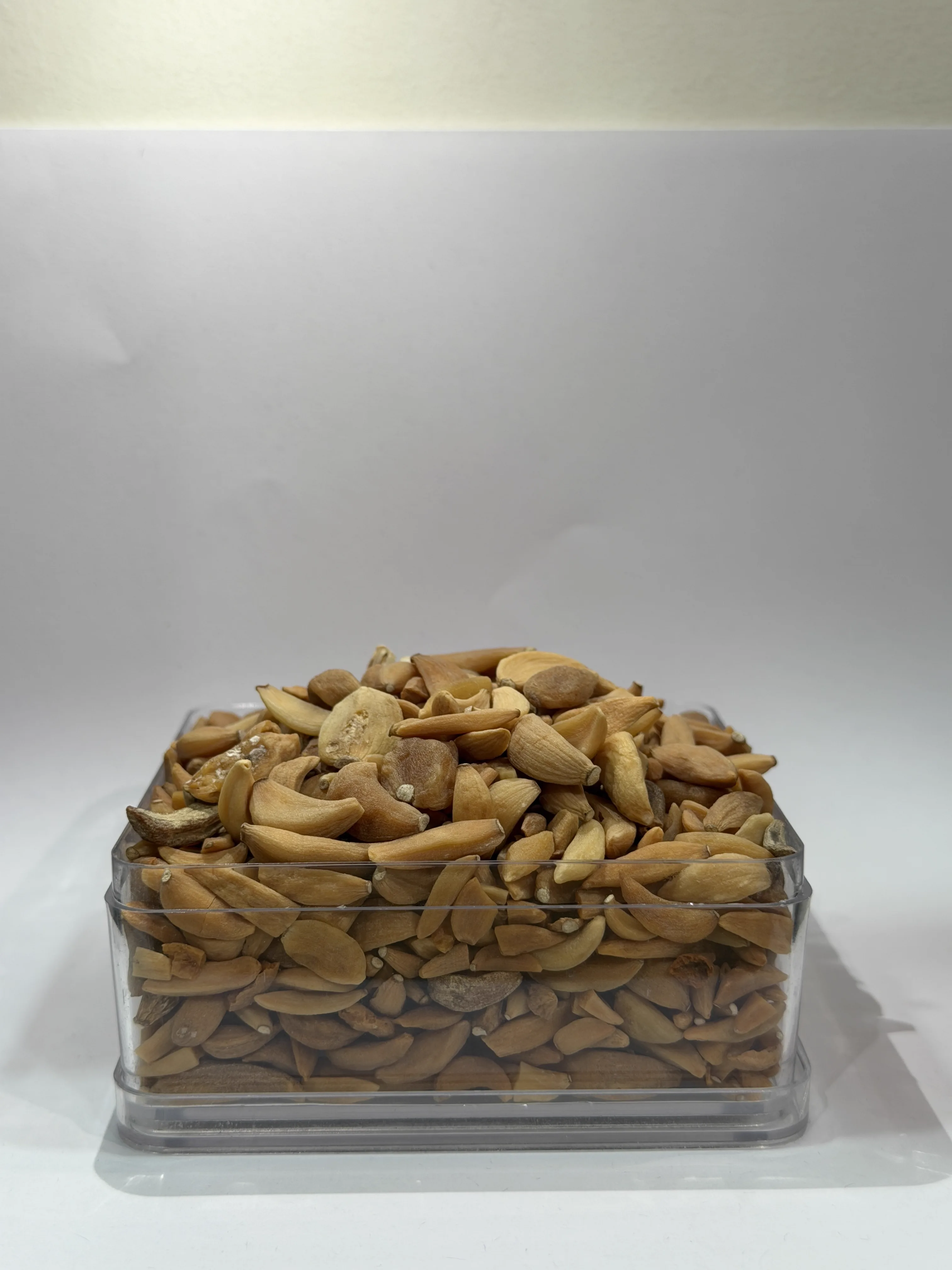
Dehydrated garlic flakes are commonly considered when visible pieces form part of the recipe brief. The offered grade may differ in piece dimensions, thickness, shape and fines. A buyer should request the actual specification instead of expecting every supplier's flake product to be identical.
Minced garlic
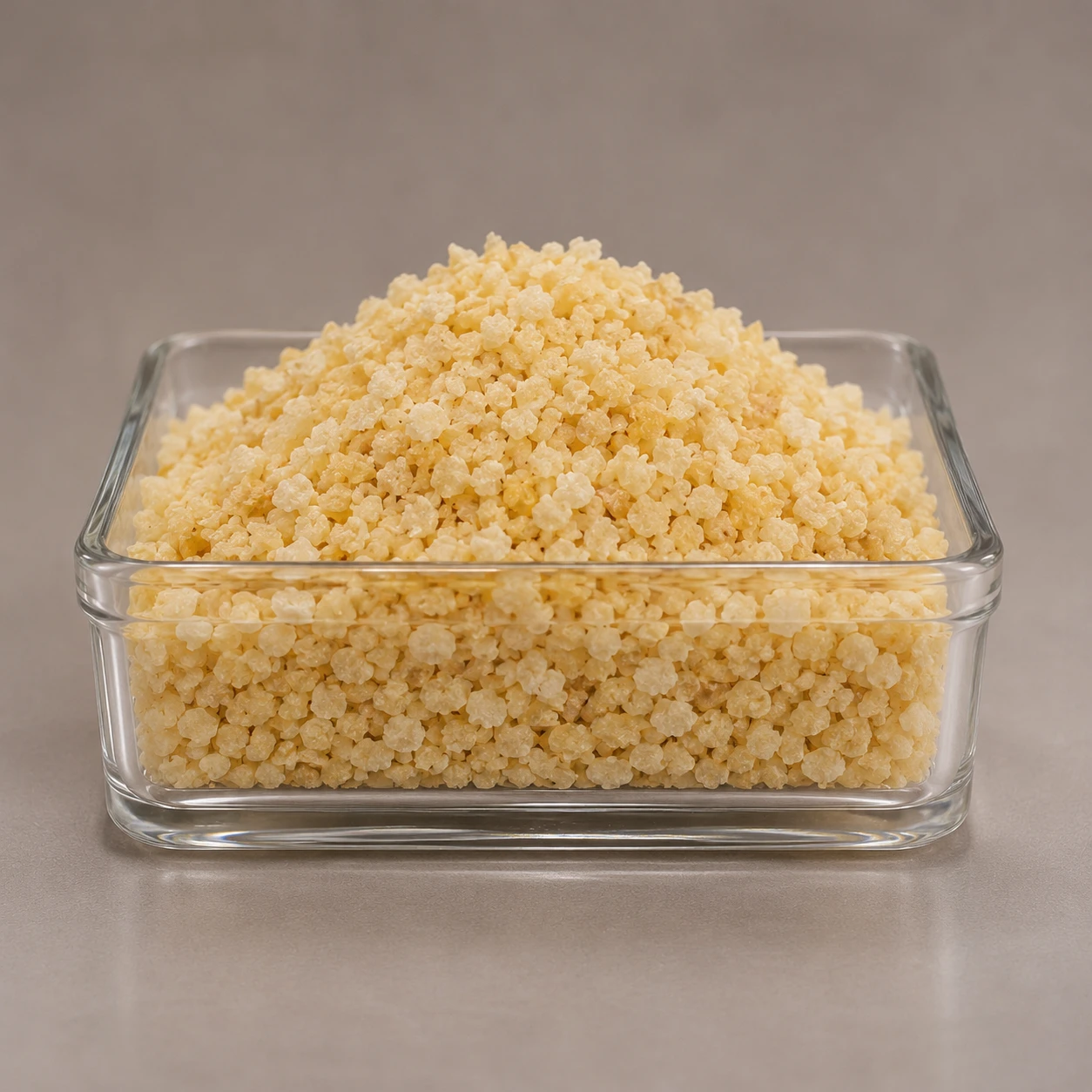
Dehydrated minced garlic provides a smaller-piece option. It can be a candidate when a recipe needs garlic inclusions without the appearance of large flakes. The term minced still requires a supplier definition: size and distribution should be checked using the agreed methods and a representative sample.
What names cannot tell you
Neither name establishes flavour intensity, microbiological suitability or a universal preparation procedure. Those questions involve the actual material, the supplier's specification and the buyer's intended use. Avoid treating a format name as proof of treatment, shelf life or certification.
Appearance and texture
A visible flake can be desirable in some savoury foods, while a minced grade may better suit a finer texture. Compare both after the full recipe process. Looking at the dry ingredient alone does not show how it will appear after hydration, heating, holding or reheating.
Ask the sensory team to define acceptable texture in words that production and purchasing can use. For example, a recipe may require recognizable garlic pieces but reject an uneven bite. That is a more actionable brief than asking for premium quality without further detail.
Application examples
| Application brief | Flake question | Minced question |
|---|
| Prepared sauce | Are pieces intentionally visible? | Are smaller inclusions evenly distributed? |
| Soup or ready meal | Is texture appropriate at serving time? | Does the grade fit the intended bite? |
| Dry savoury blend | Will flakes segregate in handling? | Does the mix remain uniform? |
| Commercial kitchen recipe | Can staff measure and prepare consistently? | Does the existing procedure need revision? |
These examples support sample selection; they do not guarantee that a specific product will work. Developers should assess the complete recipe and normal processing conditions before approval.
Hydration and process sequence
The point at which garlic enters a recipe affects the trial. A dry ingredient added early to a wet process has different exposure from one added near the end. Record the addition sequence, mixing conditions and assessment time so the comparison remains meaningful.
Do not assume that a larger flake or smaller minced grade needs a universal soaking time. Use the supplier's guidance as relevant and validate your own process. Where rehydration is part of production, include water handling and hygienic controls in the procedure rather than treating it as an informal preparation step.
Dry blending and handling
Particle differences can influence segregation, dust and movement through equipment. A buyer should examine what happens between mixing and use, including conveying, filling, transport and customer handling. A uniform bowl sample is encouraging but does not establish uniform distribution throughout the commercial route.
If a proposed replacement changes the garlic form, involve production staff in a trial. They may identify feeder adjustments, transfer losses or pack-filling differences that are not apparent in a recipe-development kitchen.
Cost comparison beyond price per kilogram
Ingredient price is only one part of cost in use. Compare the quantity needed to achieve the approved result, the handling effort and any effect on rejects or rework. These factors should be measured within your operation instead of assumed from a supplier's general statement.
A technically equivalent grade may still have different commercial conditions. Request packaging, order quantity, lead-time and delivery information for the actual product. An available sample does not automatically establish a supply commitment for a larger order.
Approving a sample and controlling changes
Identify the sample, retain a reference where appropriate and document the approved specification. Ask how the supplier will identify the corresponding commercial grade. When a substitute is offered, compare it against the reference and follow the buyer's change-control process.
For multi-site manufacturers, make the approval accessible to all relevant purchasing and production teams. Otherwise one site may order a different garlic form under an abbreviated description, creating inconsistency that is difficult to trace later.
Documenting the decision
A retained comparison sheet should identify both the commercial grade and the recipe used in approval. Include the required appearance after processing, any handling observations and the person responsible for accepting a substitution. If the original ingredient becomes unavailable, that sheet gives purchasing a specific starting point for an alternative enquiry. Without it, a similar product name can be mistaken for evidence that a different garlic grade is already approved.
Frequently asked questions
Is minced garlic simply broken garlic flakes?
Processing routes and grade definitions differ. Ask how the supplied grade is prepared and controlled. The important purchasing reference is the specification and approved sample.
Which form gives more garlic flavour?
Particle size alone does not answer that question. Compare the actual ingredients in the intended food, keeping recipe and processing conditions controlled.
Can both formats be used in the same recipe?
That can be a development option where a recipe has separate distribution and visible-texture goals. Approve the combination through trials and record each ingredient clearly.
Making a clear request
Describe the food application, the visible texture you want and the quantity required. Explore the garlic product range or send a sample enquiry. For a broader view of applications, read how dehydrated garlic is used in food manufacturing.