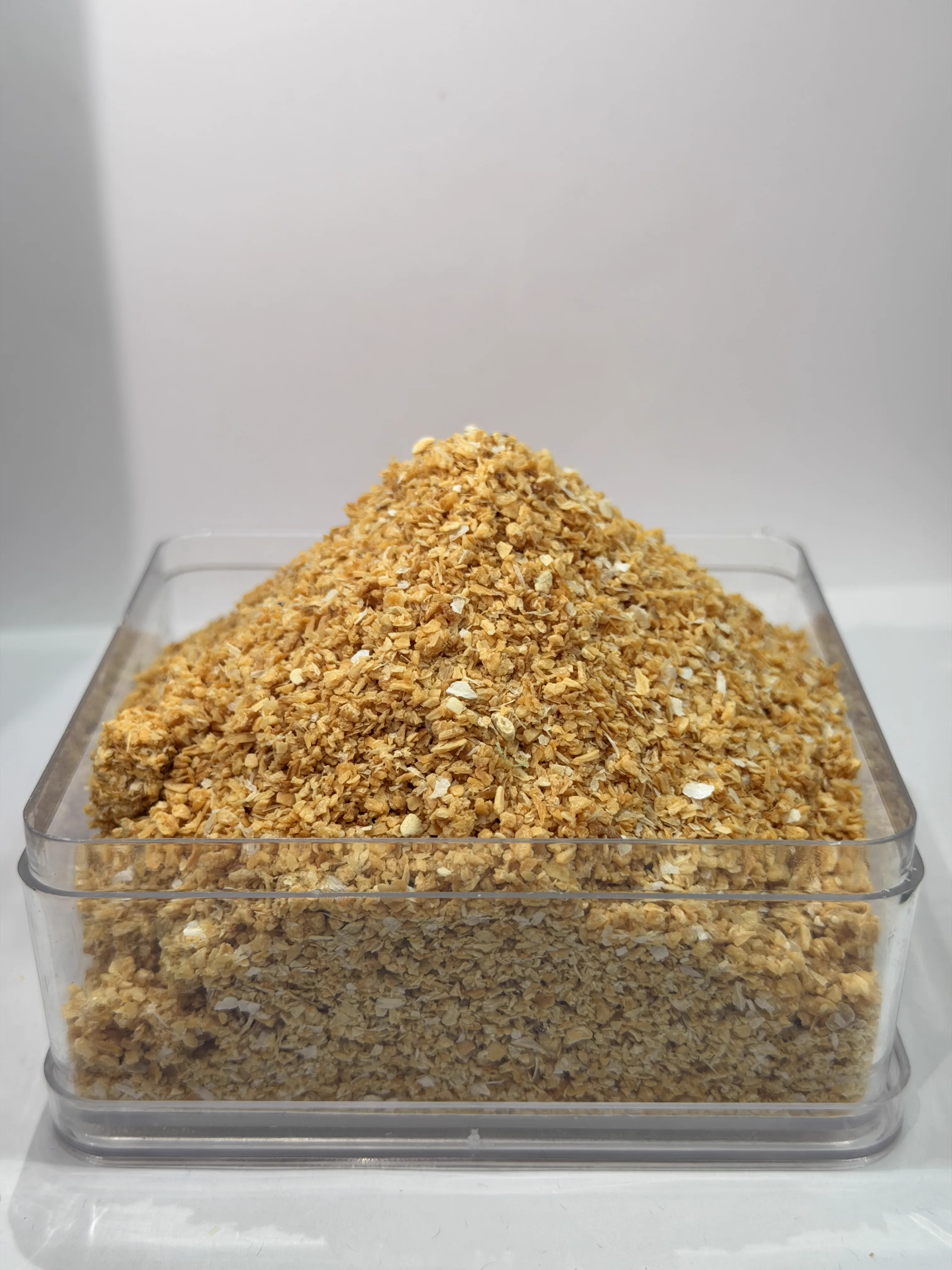
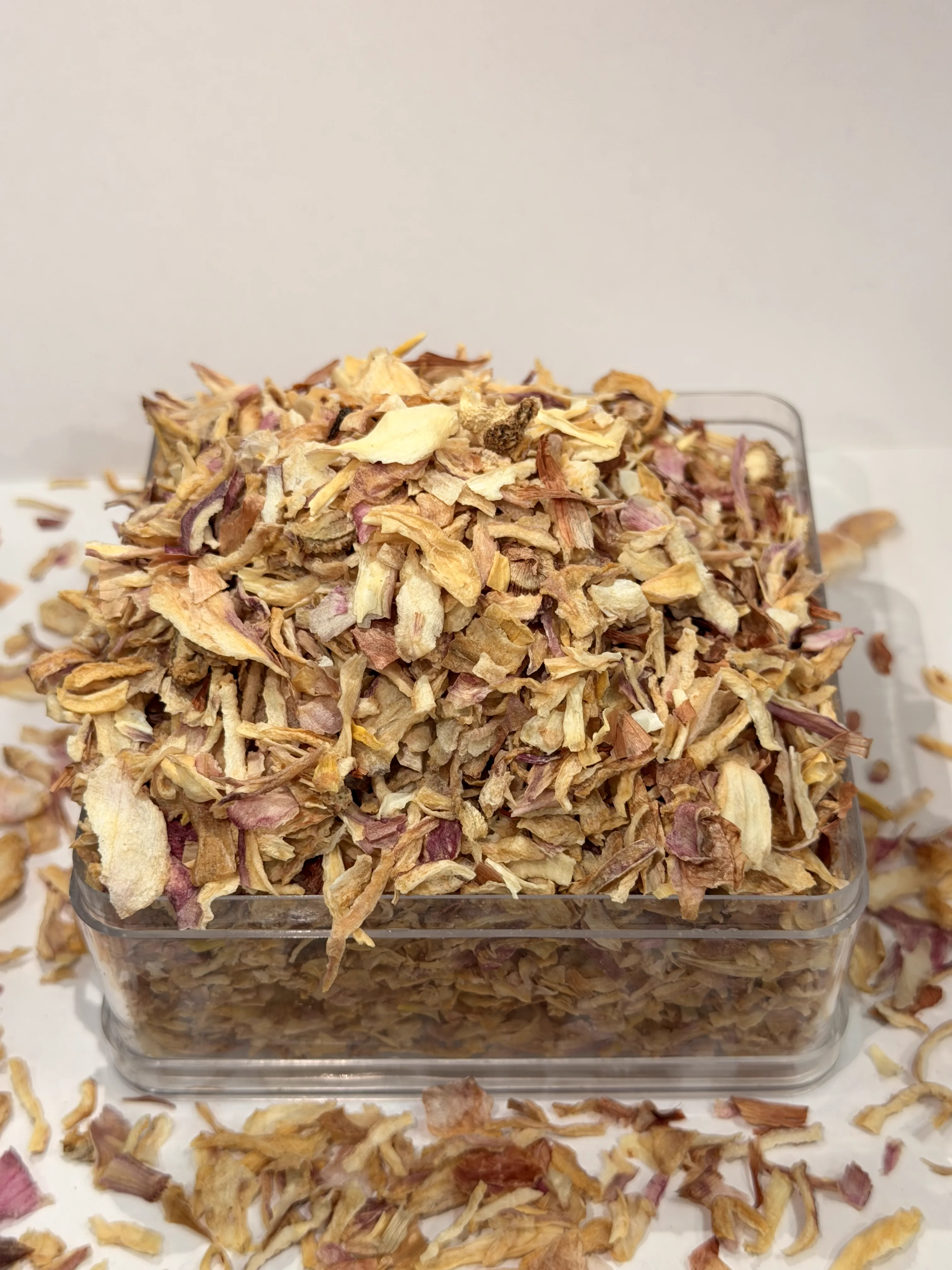
Selecting a bulk dehydrated onion and garlic supplier involves more than finding a product photograph and comparing quotations. Commercial buyers need a clear product identity, a suitable specification, a realistic supply discussion and a process for resolving questions. A useful supplier assessment connects those elements to the intended food application.
This guide provides a practical framework for manufacturers, importers, distributors and wholesalers. It does not present a website, a certification logo or a sample as a complete substitute for the buyer's own supplier-approval process.
Define the product before comparing suppliers
Write the ingredient requirement in enough detail that quotations can be compared. Include onion or garlic type, preferred form, application, approximate quantity and delivery destination. Where size, treatment, origin or certification is essential, state that requirement explicitly.
Trade names such as flakes, kibbled, minced, granules and powder can vary between suppliers. Ask for the offered grade definition and a representative sample. A quotation for onion powder is not necessarily equivalent to another quotation if the technical and packaging details differ.
Ask for relevant technical evidence
Product specifications
Request the current specification for the exact grade offered. The document should allow your technical team to compare the ingredient with the application requirements. If a required characteristic is absent, ask a targeted question instead of treating the omission as acceptance.
Traceability and lot information
Confirm how commercial packs are identified and which documents relate to a lot. Purchasing, receiving and production teams should be able to use consistent identifiers. If you buy through a distributor, clarify the relationship between the distributor's product code and the manufacturer's grade reference.
Certifications and treatments
Check the scope, validity and product applicability of any certification that matters to the purchase. Ask about a required treatment directly. Do not assume a website statement applies to every product or that another company's documentation proves anything about the supplier under review.
Use samples to answer specific questions
A sample request should explain the intended use and the criteria it needs to demonstrate. For a snack coating, distribution and application behaviour may be priorities. For a sauce, visible texture and process performance may matter more. A clear brief helps avoid testing an irrelevant grade.
Keep the sample identity and trial results. When an ingredient is approved, retain a reference where appropriate and confirm that the commercial offer corresponds to it. If a supplier offers an alternative later, assess it through the normal change-control process.
Compare commercial terms consistently
Price per kilogram is useful only when the products and terms are understood. Compare packaging, quoted quantity, freight responsibilities, delivery destination and any conditions attached to the offer. Confirm which documents and services are included.
Ask for current lead-time information without treating it as a permanent guarantee. Supply conditions can change, and the final commitment should be recorded in the commercial agreement. For export enquiries, identify the destination and documentation requirements early so they are not discovered after approval.
Packaging and receiving requirements
Clarify pack sizes, inner protection, labelling and any specific handling constraints. A convenient pack for a distributor may not suit a production line that needs smaller controlled additions. Availability of alternative packaging should be confirmed rather than assumed.
Receiving teams should know how to inspect a shipment for damage, compare lot references and identify any discrepancy. Establish a practical route for reporting issues and keeping affected material under the buyer's normal controls while it is assessed.
Communication and change management
Reliable communication can be evaluated during the enquiry itself. Does the supplier answer the actual technical question? Are uncertain details identified honestly? Is an alternative clearly described as an alternative? These behaviours are more useful than broad claims of best quality without supporting detail.
Agree how changes will be communicated once a product is approved. A change in grade, origin, packaging or process may require review depending on your programme. The point is to prevent an undocumented substitution from entering production under an old approval.
A comparison worksheet
| Assessment area | Evidence to request | Buying question |
|---|
| Product identity | Grade and specification | Is this the same material we tested? |
| Application suitability | Representative trial sample | Does it work in our process? |
| Traceability | Pack and lot information | Can we connect receipts to records? |
| Required status | Applicable documents | Does the evidence cover this product? |
| Commercial supply | Written quotation | Are quantity and delivery terms clear? |
| Change control | Agreed notification route | How will an alternative be approved? |
Use the worksheet to compare suppliers against your own priorities. It should support professional review, not turn an unverified answer into an automatic approval score.
Documenting the decision
During approval, separate essential conditions from preferences. A required document, intended-use condition or specification limit must be resolved before acceptance; a preferred pack size may allow a commercial alternative. Recording that distinction helps the supplier respond clearly and prevents a quotation from being rejected for a flexible detail while a more important technical question remains unanswered. Keep the agreed resolution with the final product approval.
Frequently asked questions
Is the lowest quotation the best choice?
Only if the material and terms meet the requirement. Compare cost in use, technical suitability and the complete offer rather than price alone.
Should I request every possible certificate?
Request documents that matter to the product, market and buyer's approval programme. An unfocused document list can delay a useful discussion without improving the decision.
Can a product code replace a specification?
A code helps identify a grade but does not describe all its properties. Use the code together with the relevant specification, approved sample and purchase description.
Preparing your enquiry
Create one concise brief that covers the food application, format, quantity, essential technical conditions and delivery destination. Review the onion and garlic ranges, then send a bulk ingredient enquiry. OM Food and Spices LLP can discuss the forms and documents available for the proposed supply.