Dehydrated vegetable ingredients connect agricultural raw materials with the practical requirements of food manufacturing. For onion and garlic buyers, useful sourcing discussions focus on format, application, documentation and supply arrangements. Broad industry language is less helpful when it does not explain how an ingredient will perform in a real recipe.
This article considers development and purchasing themes without presenting unverified market-size figures or forecasting guaranteed growth. Current priorities differ between businesses, and any trend claim should be supported by evidence relevant to the market being discussed.
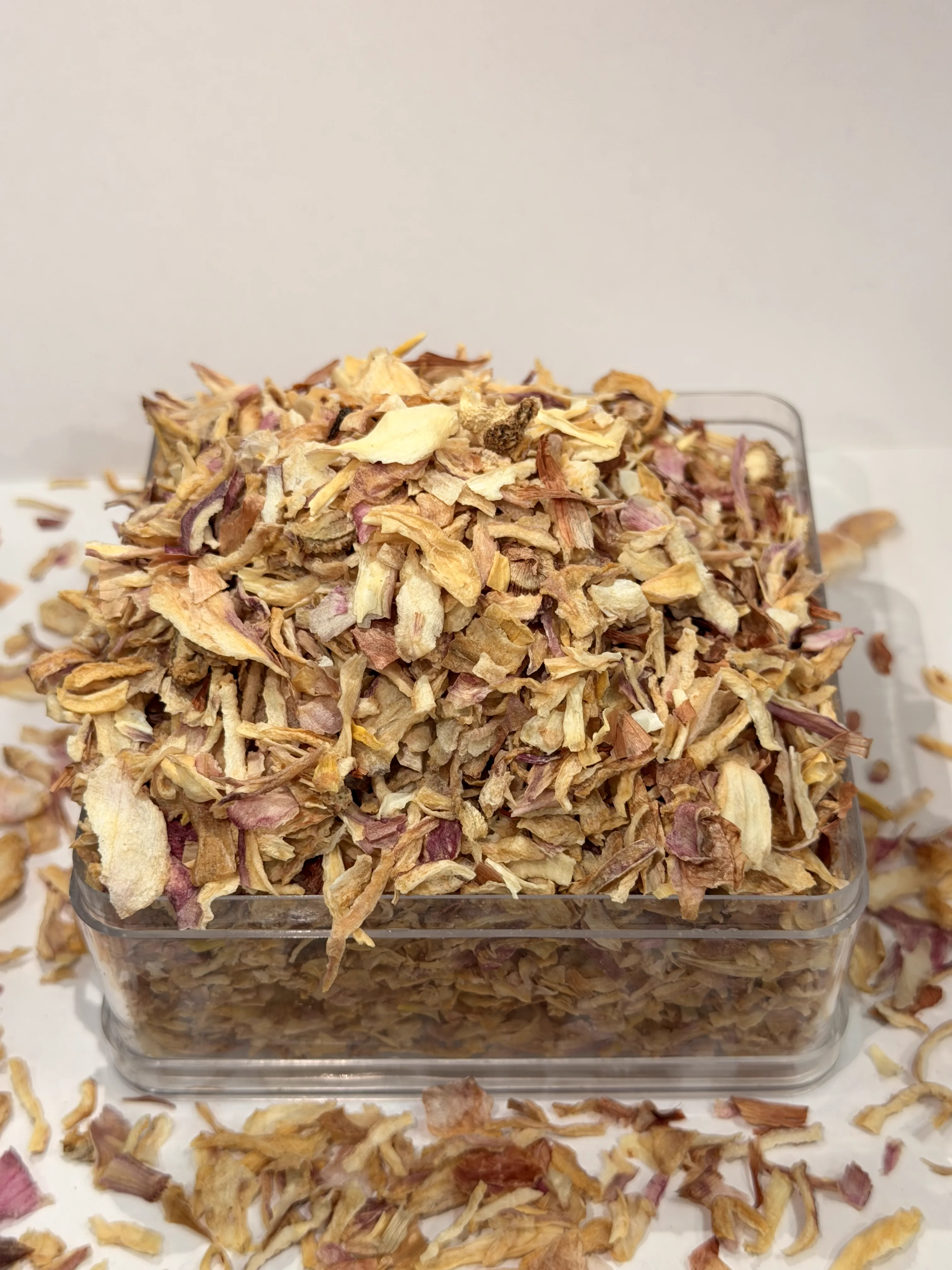
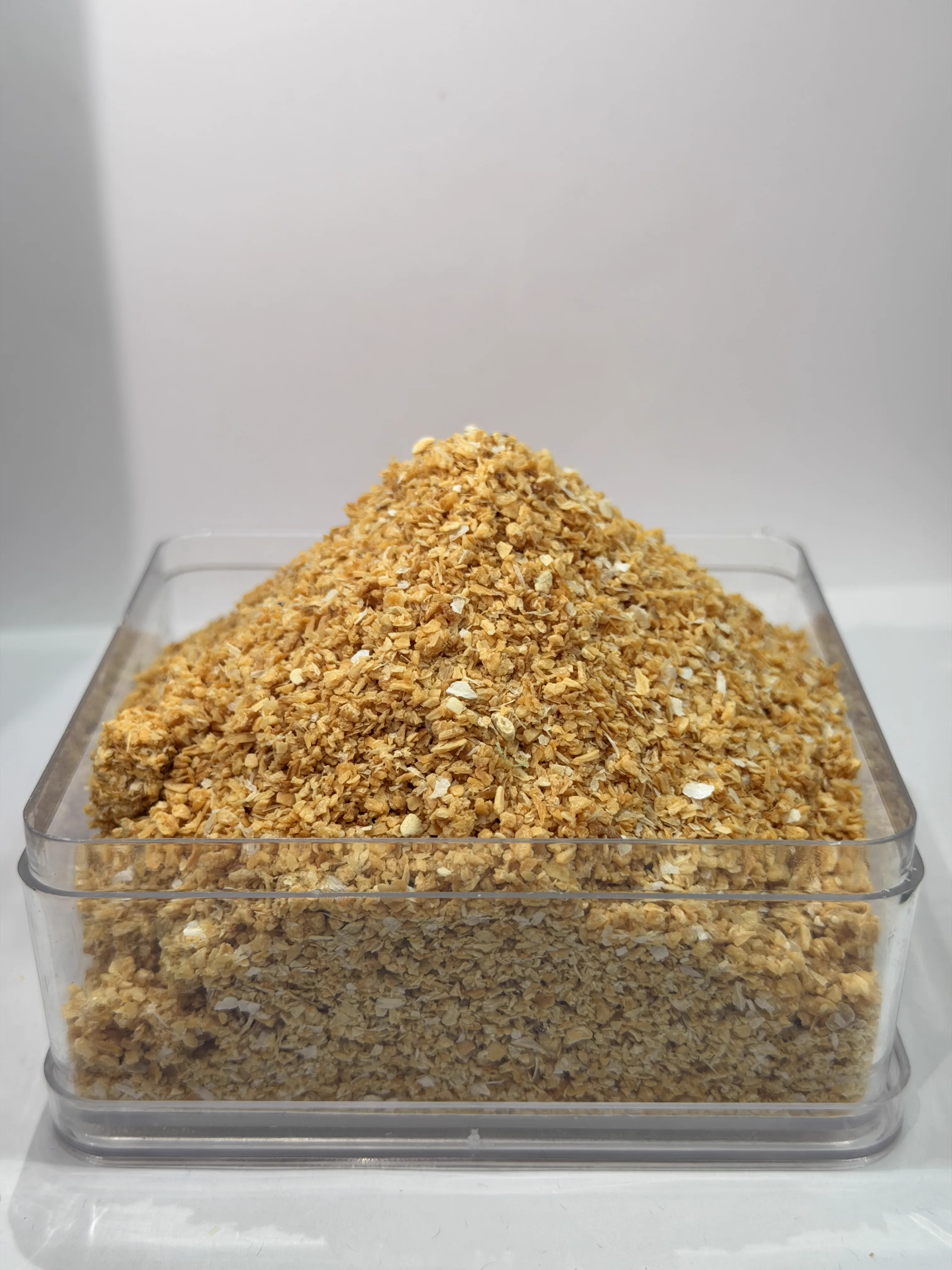
Manufacturers can evaluate flakes, smaller pieces, granules and powders to meet different appearance and distribution goals. This format choice supports application development across snacks, sauces, soups, prepared foods and seasoning systems. It should not be interpreted as proof that one grade suits every product category.
The developer's brief determines which options to test. If a smooth food is required, visible pieces may be inappropriate. If a recipe needs a vegetable inclusion, a fine powder may not deliver the intended texture. The onion and garlic ranges provide starting points for more specific enquiries.
More precise ingredient briefs
A practical purchasing improvement is to describe the application before discussing a price. Buyers can explain the food, the process stage, the desired texture and any essential technical requirements. This reduces the risk of comparing quotations for materials that share a name but differ in relevant properties.
The same principle applies to digital product catalogues. A searchable product page helps discovery, but a technical specification and representative sample remain necessary for approval. A modern website should make that distinction clear rather than suggesting that a photograph answers every purchasing question.
Documentation and traceability
Buyers may need different evidence depending on their products and markets. The useful approach is to identify required documents early and confirm their applicability. A certificate should be checked for scope and validity, not used as a general decorative quality symbol.
Lot identification and clear grade references also support practical traceability. Receiving and production teams need to connect the material they use with the corresponding records. If a distributor assigns its own code, the relationship with the approved product should remain clear.
Change control is part of supply
Approval is not only a one-time sample decision. Establish how proposed changes will be communicated and reviewed. An alternative origin, format, process or packaging arrangement can require assessment depending on the buyer's programme. Clear notification helps avoid undocumented substitutions.
Convenience with measurable boundaries
Dry ingredient formats can simplify some preparation and measuring tasks. Whether they improve cost in use depends on the buyer's operation. Measure relevant effects such as handling effort, approved addition level and process performance instead of adopting a universal cost-saving claim.
Where a new ingredient changes a recipe, document the revision. A convenient material still needs controlled weighing, appropriate storage and hygienic handling. The storage guide outlines receiving-to-use considerations for onion and garlic ingredients.
Supply planning and export discussions
Bulk sourcing requires clarity about quantity, packaging, delivery destination and the documents expected with a shipment. An initial enquiry should identify these conditions so the supplier can respond with an appropriate commercial offer. Do not assume a particular pack size, lead time or market authorization without confirmation.
For customers comparing suppliers, consistency of the enquiry matters. Send the same application brief and required conditions to each candidate. Otherwise apparent differences in price or lead time may simply reflect different interpretations of the requirement.
Responsible interpretation of industry trends
There is a difference between observing a useful business practice and proving a market trend. For example, offering multiple cut sizes demonstrates product variety; it does not establish a growth rate for the entire ingredient sector. Claims about demand, sustainability or consumer preference need their own evidence.
Similarly, a supplier should not assume that all dehydration processes have the same environmental effect. Energy, raw material, yield, packaging and logistics vary. Where environmental information matters to a purchasing decision, ask for a defined scope and credible supporting data instead of relying on broad green language.
A framework for the next ingredient project
- Define the finished food and intended eating experience.
- Identify candidate onion or garlic formats.
- Write essential technical and commercial requirements.
- Request representative samples and relevant documents.
- Run a controlled recipe and production comparison.
- Confirm packaging, quantity and destination arrangements.
- Record approval and agree how changes will be managed.
This framework is useful whether the buyer is developing a new product, introducing another supplier or reviewing an existing ingredient. It connects marketing descriptions to operational decisions and makes unresolved questions easier to identify.
Documenting the decision
A sourcing review can begin with one existing recipe rather than an entire product portfolio. Identify a current ingredient, document what performs well and list the problems a proposed change should solve. This creates a measurable brief for suppliers and gives the buyer a baseline for comparison. Broader purchasing changes should follow demonstrated application results, rather than a decision to adopt a format simply because it is described as an industry trend.
Frequently asked questions
Do dehydrated vegetables automatically support a clean-label claim?
A claim depends on the complete formulation, the applicable market and the evidence behind it. Review ingredient declarations and requirements with qualified personnel rather than inferring a claim from the word dehydrated.
Should buyers prioritize one ingredient form across all recipes?
Standardization can be convenient, but only when the selected grade meets each application's requirements. Verify performance before simplifying the purchasing list.
Where can I find verified market-volume data?
Use a credible research source with a defined geography, time period and methodology. This article does not provide search-volume figures, market forecasts or guaranteed demand estimates.
Building a useful supplier conversation
The most practical industry insight is to connect the ingredient to its application and approval evidence. Read the bulk supplier selection guide, explore all products, or send a quotation or sample enquiry. Availability and specifications are confirmed for the proposed supply.