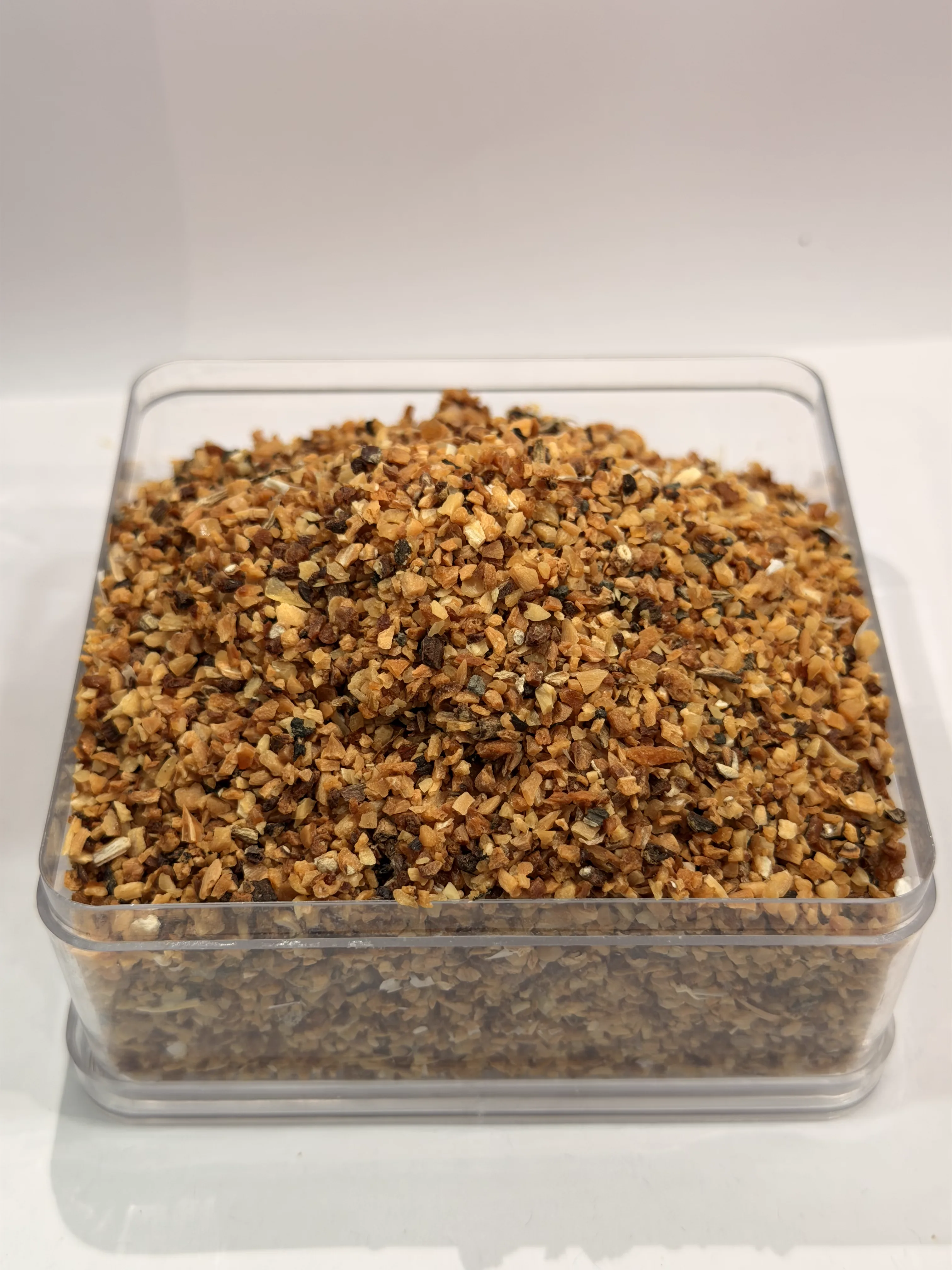
Proper storage and handling help preserve the condition of dehydrated onion and garlic after delivery. Dry ingredients still need protection from moisture, contamination, damaged packaging and poor identification. The supplier's product-specific instructions should guide storage decisions; a general article cannot establish a universal shelf life or storage temperature for every grade.
This guide focuses on practical receiving, warehouse and production habits for manufacturers and bulk buyers. It does not replace the buyer's food safety programme or the instructions supplied with an approved ingredient.
Begin with the product's instructions
Request storage guidance and applicable shelf-life information before purchasing. Confirm which packaging the guidance assumes and how opened packs should be handled. If the receiving site has conditions outside the supplier's recommendation, discuss them rather than assuming the ingredient will remain suitable.
Product type, packaging and process history can differ. Do not transfer a storage claim from onion powder to garlic flakes or from one supplier's document to another supplier's material. Use the reference supplied for the actual grade and lot.
Receiving checks
Inspect the delivery for visible packaging damage, unexpected moisture, broken seals or identification problems. Compare product and lot references with the order and accompanying documents. Record the receipt using the buyer's normal system so material can be traced from delivery into production.
When a discrepancy is found, follow the site's procedure for holding and assessing the affected material. Do not resolve an uncertain identity by guessing from colour or particle size. Supplier communication is easier when the report includes the relevant lot, pack information and a clear description of the issue.
Moisture protection
Protect ingredients from water exposure and unsuitable humidity conditions according to their supplied instructions. A bag that was appropriate when sealed may no longer provide equivalent protection after repeated opening. Establish a method for resealing and identifying opened material.
Powders, granules and visible pieces can respond differently to handling conditions. If material shows a change such as caking or an unexpected sensory difference, assess it through the site's quality procedure. Avoid assuming that a change is harmless or correcting it informally without approval.
Warehouse organization
Store ingredients in designated locations under the site's hygiene and pest-control arrangements. Keep product identification readable and maintain access for inspection. Prevent packaging damage during movement and avoid storage practices that obscure lot information.
Use the site's approved stock-rotation system and the applicable date information. Rotation should account for the actual material status, including any hold or release decision. A label saying first in should not override a quality hold or a supplier's product instructions.
Separate identification from appearance
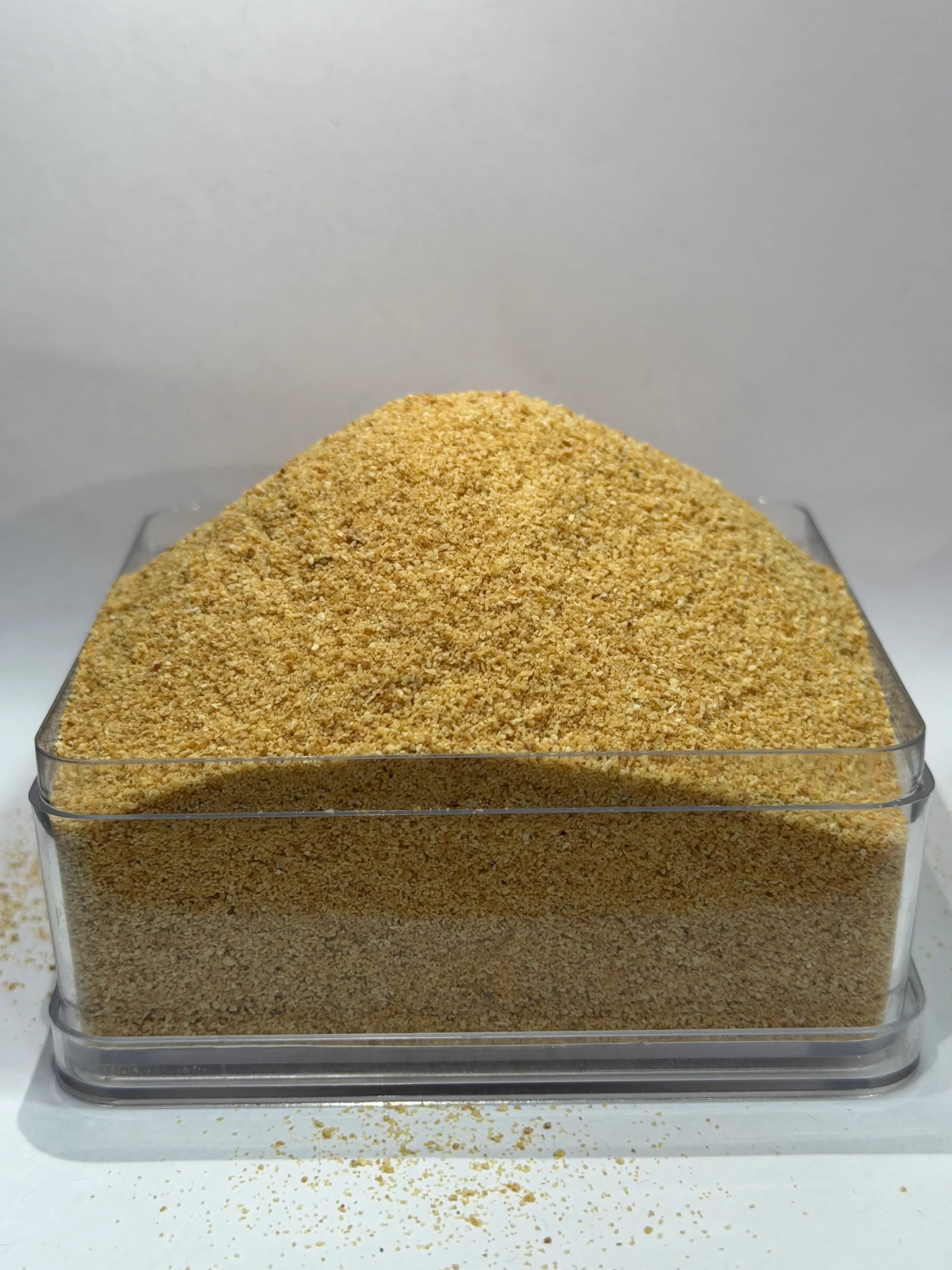
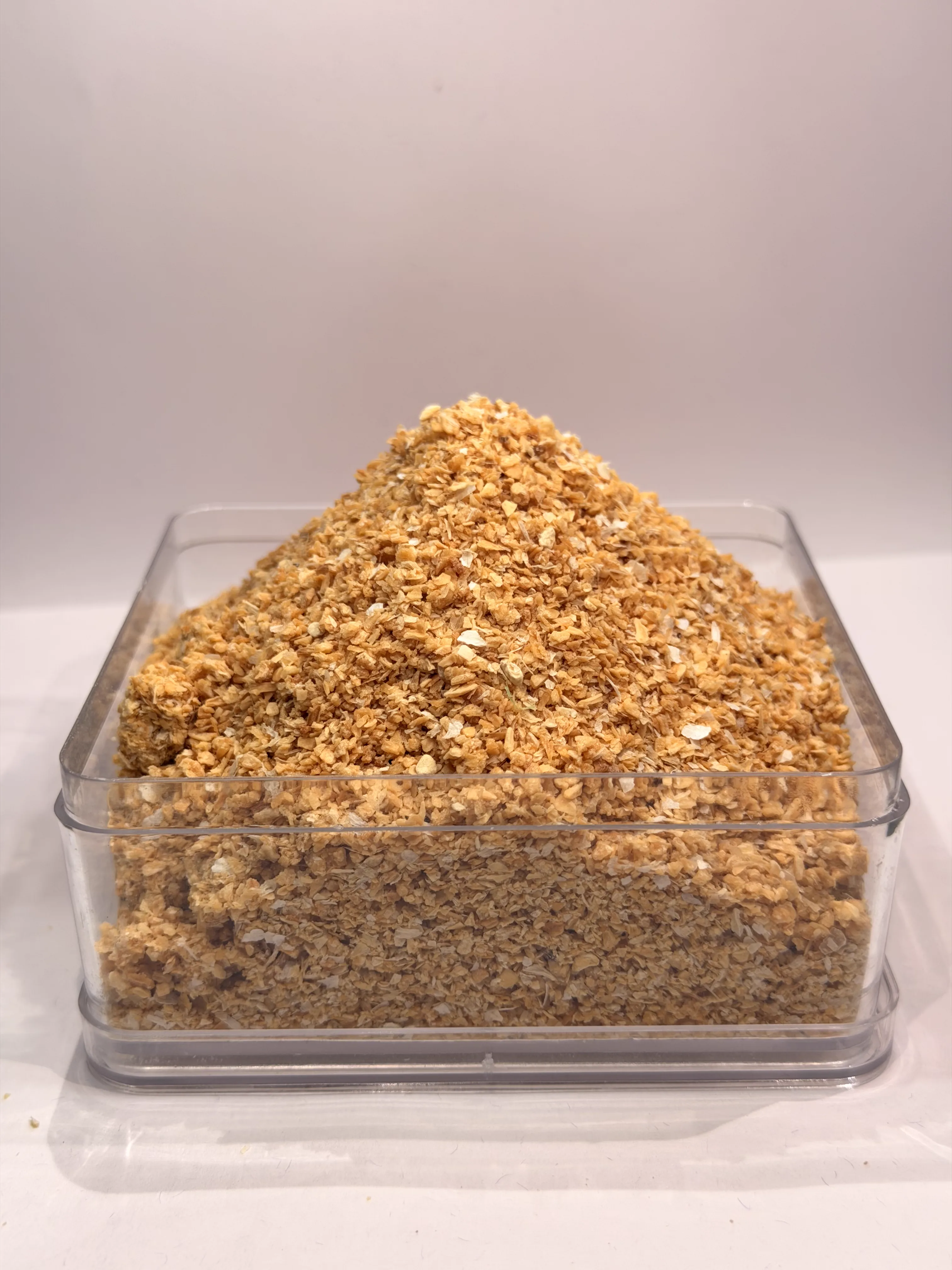
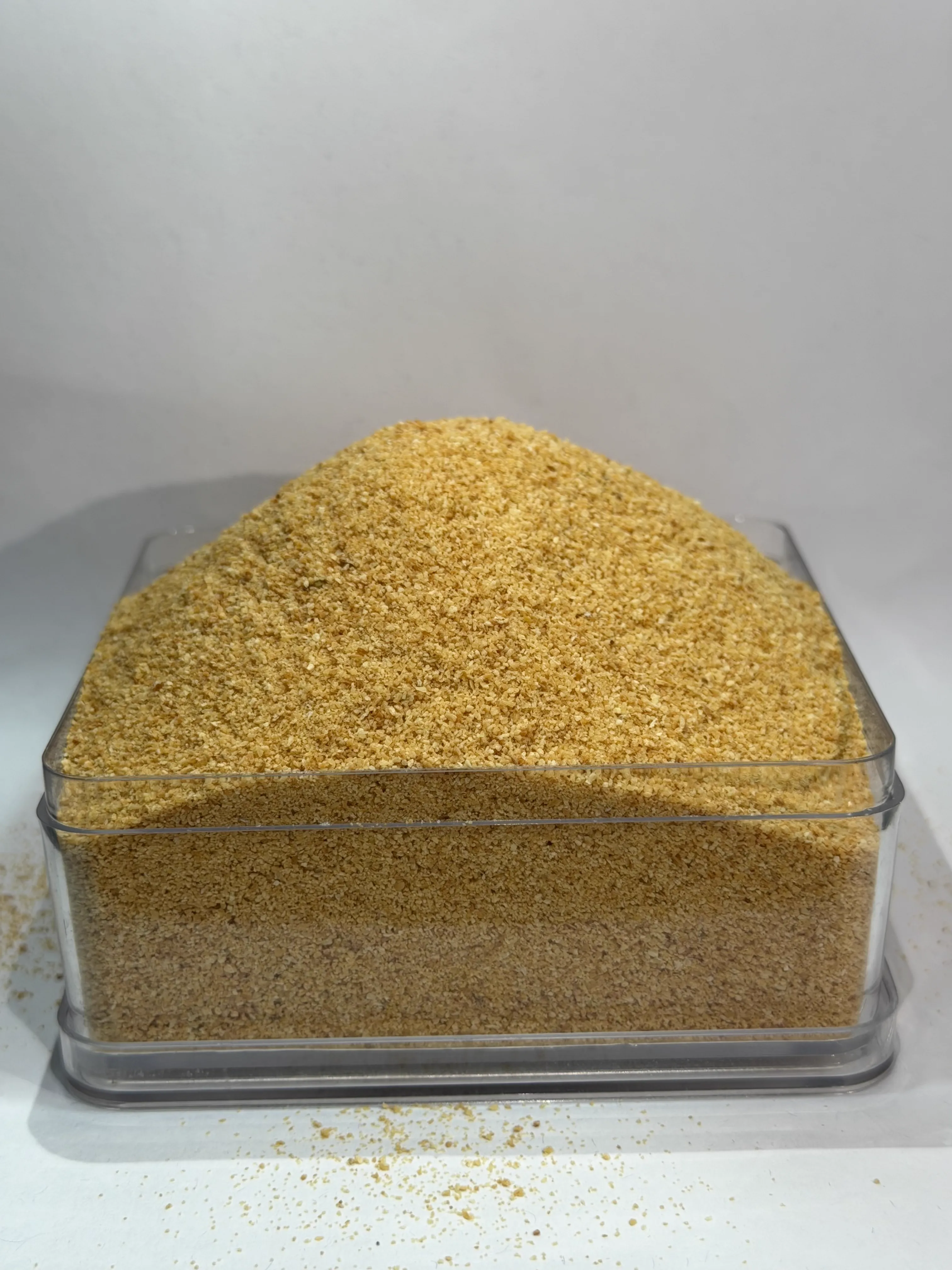
Different onion and garlic grades can look similar in a warehouse or production container. Use clear names and grade references instead of relying on appearance. An unlabelled scoop container creates unnecessary risk even when operators believe they recognize its contents.
Handling opened packs
Define who can open, decant, reseal and return material to storage. Use suitable clean equipment and prevent the introduction of moisture or foreign material. If a smaller container is used, transfer the required identification and any relevant date information with it.
Do not top up an unidentified container in a way that loses lot traceability. Where different lots are handled in the same production period, follow the site's rules for recording their use. These details make it possible to investigate a quality issue without treating all stock as an indistinguishable ingredient.
Measuring and transfer into production
Weigh the approved ingredient using the recipe's defined method. Make sure the product form and grade match the production instruction. Powder, minced material and flakes should not be substituted merely because the requested pack is temporarily unavailable.
During transfer, control spillages, dust and exposure according to the site's procedures. Return unused material only when its condition, identity and handling history remain acceptable under those procedures. The decision should be documented rather than made solely for convenience.
Planning for transport and export routes
Longer or more complex routes may create additional handling and packaging questions. Share the destination and proposed logistics with the supplier when discussing a bulk order. Ask which packaging options are available and what conditions need to be maintained.
Receiving conditions should also be considered before shipment. A technically suitable ingredient can still be difficult to manage if the customer's warehouse lacks space, identification controls or an appropriate opened-pack procedure. Resolve these operational questions while arranging the purchase.
A receiving-to-use checklist
- Confirm the supplied product, grade and lot.
- Inspect packaging and seals under the receiving procedure.
- Review storage and date instructions for that material.
- Record the designated storage location and release status.
- Label opened or decanted material clearly.
- Use suitable clean measuring equipment.
- Record lot use in production.
- Report changes or damage through the quality process.
Documenting the decision
Include opened-pack checks in routine shift handovers. The next operator should be able to identify the product, lot, opening status and designated storage location without relying on a verbal explanation from someone who has left. If information is missing, use the site procedure for resolving it before the material returns to production. A clear label is a practical control, not a replacement for the associated stock and quality records.
Frequently asked questions
What shelf life should I assume for dehydrated onion?
Use the supplier's stated information for the actual product and packaging. This guide does not provide a universal shelf-life value.
Can an opened pack be stored like a sealed pack?
Not automatically. Opening changes protection and handling exposure. Follow the supplier's guidance and the buyer's own procedures for opened ingredients.
Is caked powder always unsuitable?
A change in condition needs assessment against the specification and the site's quality procedures. Do not make a general safety or suitability decision from appearance alone.
Keeping the ingredient programme controlled
Clear identification, suitable protection and documented handling are practical parts of an ingredient programme. Review the packaging and export information or ask about storage and packaging requirements for the onion or garlic product you intend to buy.