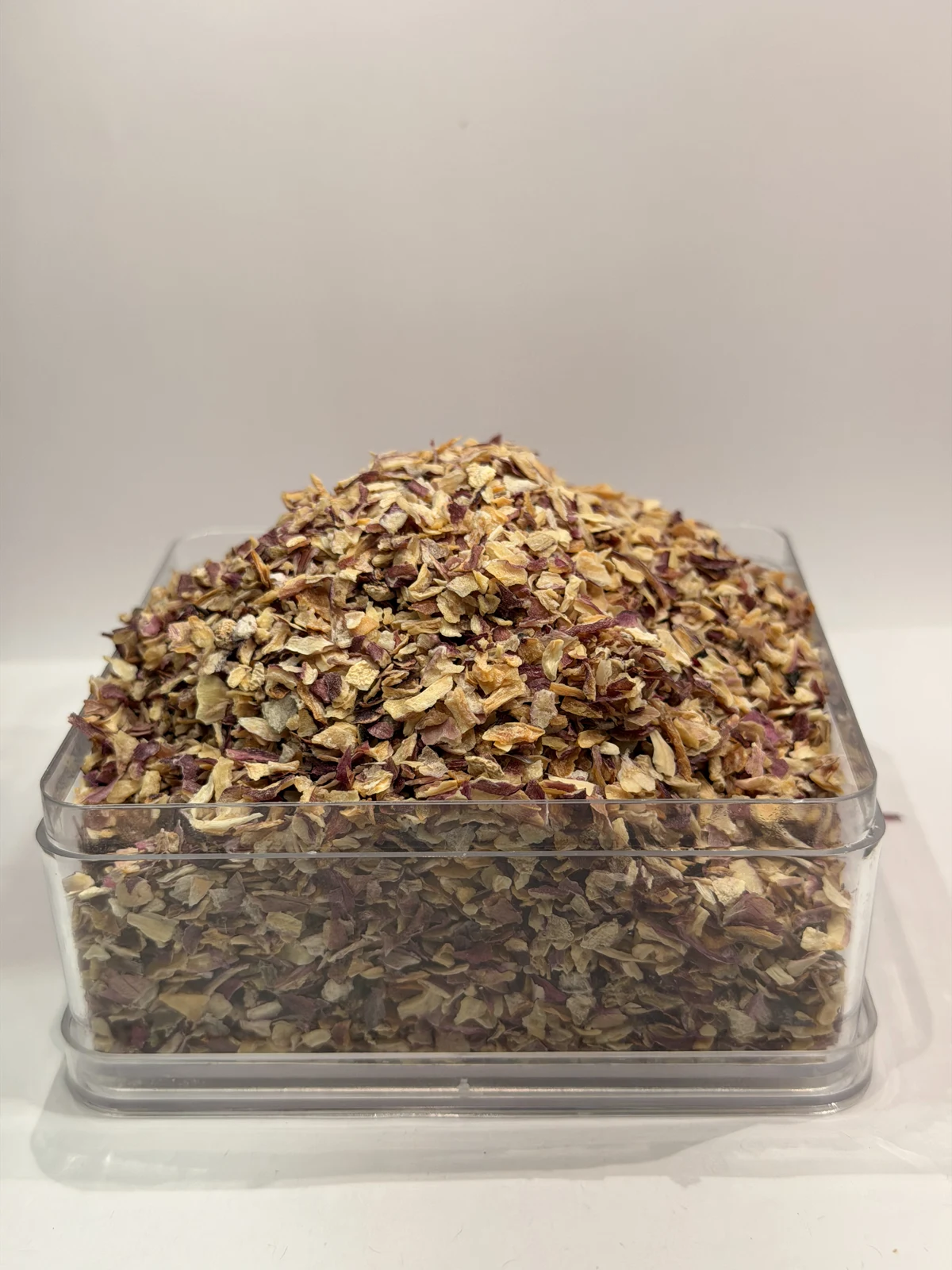
Onion flakes and kibbled onion appear frequently in bulk ingredient enquiries, but buyers should be careful about treating the two names as fixed technical standards. A product described as flakes by one supplier may overlap with a product described as kibbled onion by another. The practical question is whether the offered material meets the cut-size, appearance and handling requirements of the finished food.
This comparison helps purchasing teams and product developers move from trade terminology to a clear buying specification. It focuses on visible-piece onion ingredients used in food manufacturing, prepared foods and commercial recipes.
Why the names can cause confusion
Trade names are useful shorthand, but they are not a substitute for measurable characteristics. Flakes generally suggests pieces with a flake-like appearance. Kibbled usually signals a broken or cut ingredient form. Those descriptions do not tell a buyer the full particle-size distribution, the amount of small material or the acceptable variation within a lot.
When discussing white onion flakes and kibbled onion, request the supplier's own definition of the grade. If the buyer already uses an approved material, sharing the target specification or a retained reference is more helpful than insisting that all suppliers interpret a name identically.
A specification question is better than a naming argument
Instead of asking whether a product is “really” kibbled, ask which measurable properties distinguish it from the supplier's other onion grades. This makes the discussion actionable. A buying team can compare specifications and samples even when product names differ.
Characteristics worth comparing
Piece size and shape
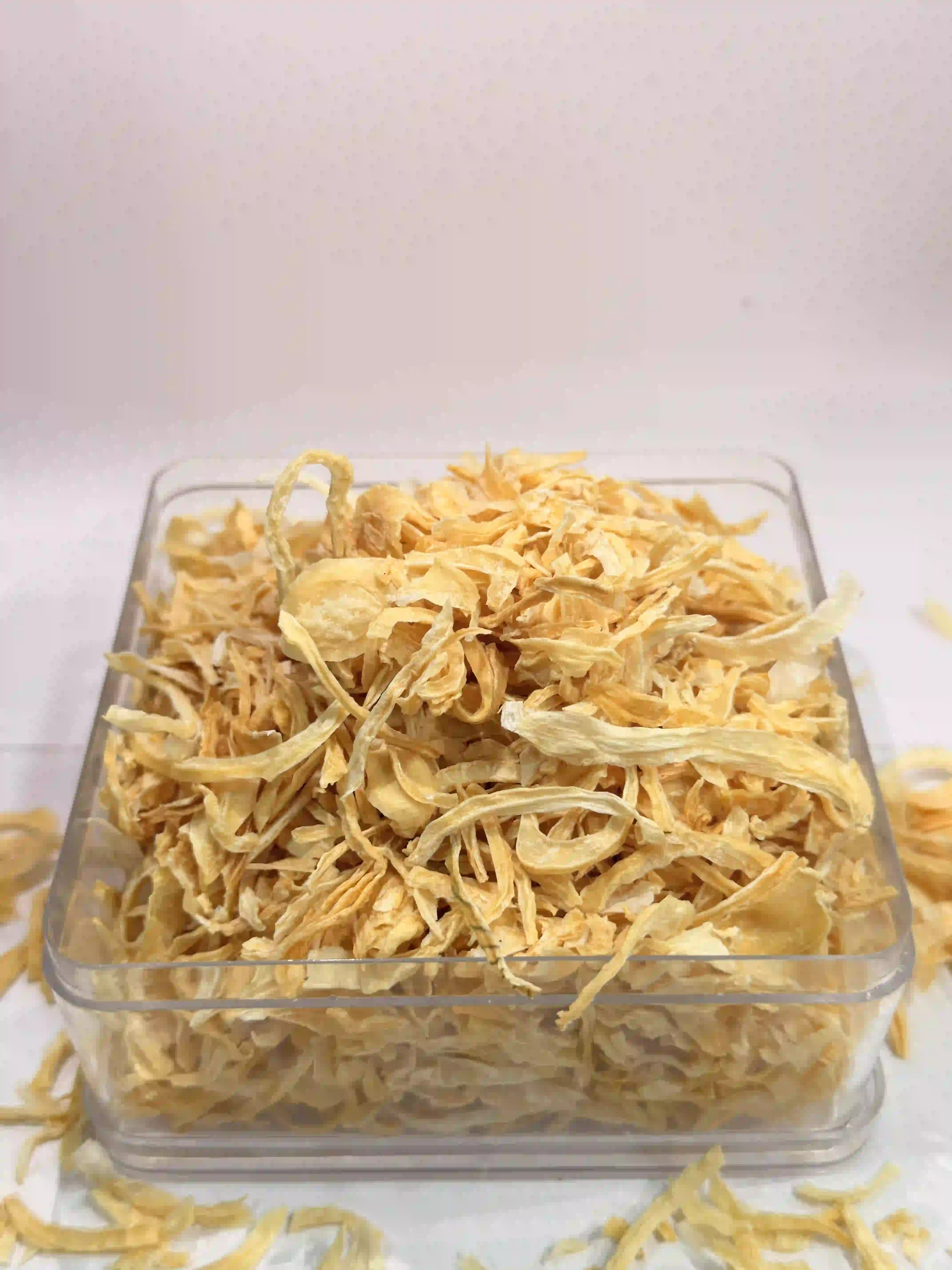
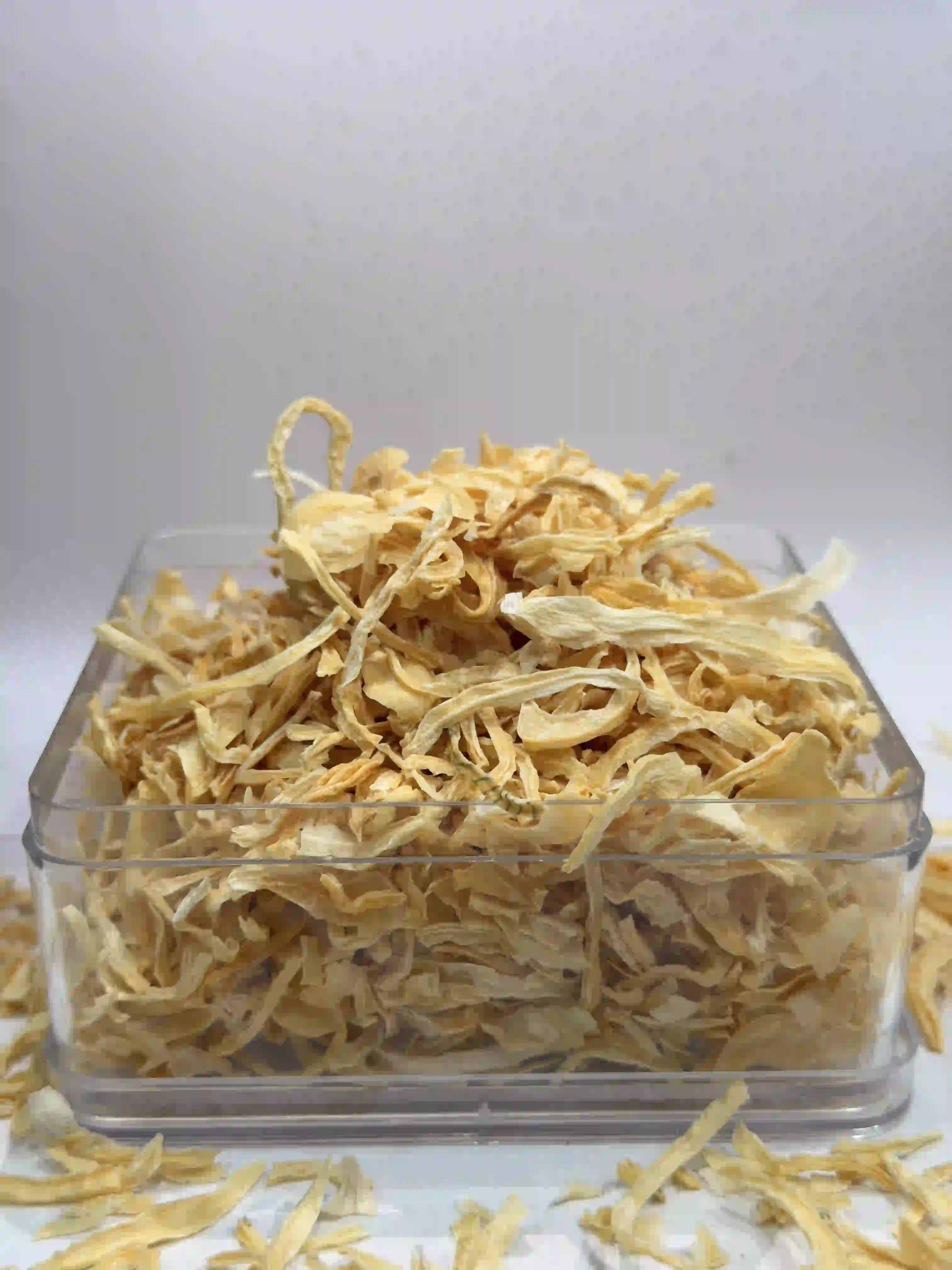
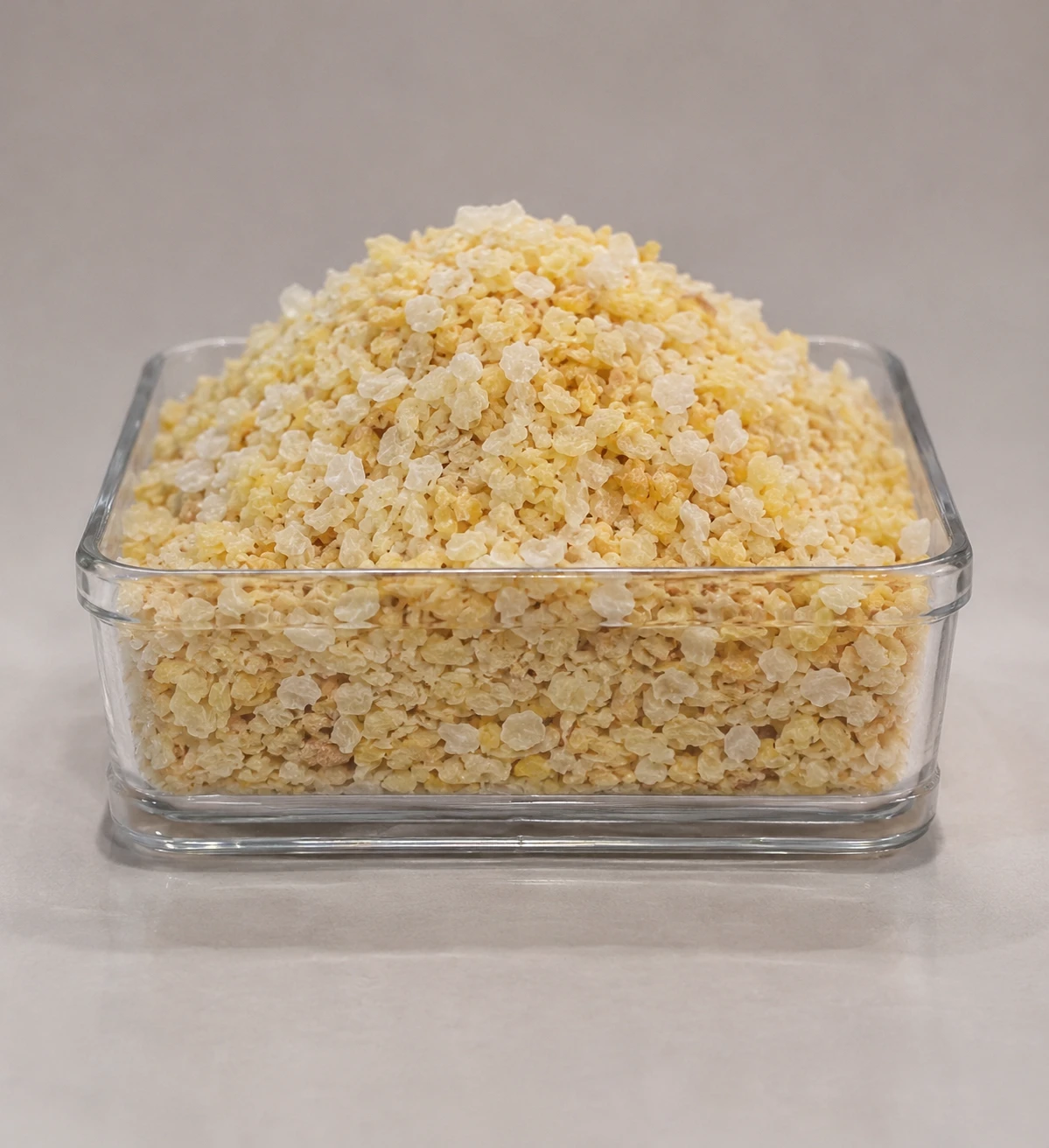
Ask how the main cut size is described and which method is used to check it. Long, thin pieces can behave differently from shorter, more irregular particles even when both look like flakes. A photograph may show shape, but it does not establish a reliable distribution for a commercial shipment.
Fines and broken material
Small pieces are important in blends because they can influence dust, visual appearance and distribution. Ask whether the specification includes a limit for fines. If your production system is sensitive to dust or product loss during transfer, assess that issue directly with a representative quantity rather than with a handful of material.
Colour and sensory expectations
Confirm the onion type and agree how colour and aroma will be assessed. Do not infer a chemical, nutritional or flavour guarantee solely from colour. For foods where appearance is important, compare the onion after the same processing conditions used for the intended recipe.
Where visible onion pieces can be useful
Flake-like ingredients may be considered for soups, prepared meals, savoury mixes and recipes that benefit from visible onion. The right size depends on the serving format. An inclusion that looks appropriate in a family-size meal may appear too large in a small snack portion.
Visible pieces can also help distinguish a recipe's texture, but that benefit should be confirmed through sensory work. A large particle is not automatically preferable. In some applications it creates an uneven bite or appears underprepared at the time the food is eaten.
If a flake or kibbled grade is too visible, evaluate minced onion. If the objective is uniform flavour distribution without large pieces, a suitable powder or granulated ingredient may be a better starting point. The onion format selection guide explains those comparisons in more detail.
| Requirement | Question for a flake or kibbled sample |
|---|
| Visible vegetable texture | Does the particle retain the required appearance? |
| Fast preparation by the customer | Is the serving-time texture acceptable? |
| Automated handling | Does the material move through the equipment reliably? |
| Dry mix uniformity | Does onion remain distributed after transport? |
| Repeat purchasing | Is the approved grade identified consistently? |
A practical side-by-side trial
Select two candidate grades and evaluate them in the same base recipe. Use equal, recorded addition levels initially, then adjust only when the first comparison indicates a reason. Changing the amount, process and particle size simultaneously makes it difficult to understand why a sample performed differently.
For a soup mix, inspect the dry blend, the prepared food immediately after normal preparation and the food after any expected holding period. Record appearance and texture at each stage. For a ready meal, assess the full manufacturing and reheating sequence used for that product.
Include handling observations
Production teams should record more than taste. Note whether pieces bridge in a hopper, generate fines during transfer, require a different feeder setting or distribute unevenly in the batch. These observations can reveal commercial costs that are absent from the quoted price per kilogram.
Building a clear bulk enquiry
A useful enquiry identifies the requested grade, onion type, approximate quantity, destination and target use. Include essential restrictions such as a particular treatment or documentation requirement. Ask the supplier to confirm availability and packaging rather than assuming that every option is stocked in every market.
Once a sample is approved, make sure its grade identifier appears in the purchase discussion. If the supplier proposes an alternative, request a fresh comparison. A substitution should be approved through the buyer's normal process, even when the product has a similar commercial name.
Frequently asked questions
Are flakes and kibbled onion always different products?
No universal distinction should be assumed. They may refer to overlapping formats. The supplier's specification and the buyer's application requirements provide the useful basis for comparison.
Can photographs be used to approve cut size?
Photographs help explain appearance but do not show the entire particle distribution or establish compliance. Use representative samples and agreed checking methods when cut size matters.
Should I choose the largest pieces available?
Choose the size that performs well in the finished food and the manufacturing process. Larger pieces can be useful, but they can also change texture, preparation time and handling.
A better buying decision
Use flakes and kibbled onion as starting descriptions, then specify what the recipe actually needs. Review dimensions, fines, sensory characteristics and process behaviour together. To discuss available onion forms, send your ingredient requirements and include the intended food application so the initial recommendation can be relevant.