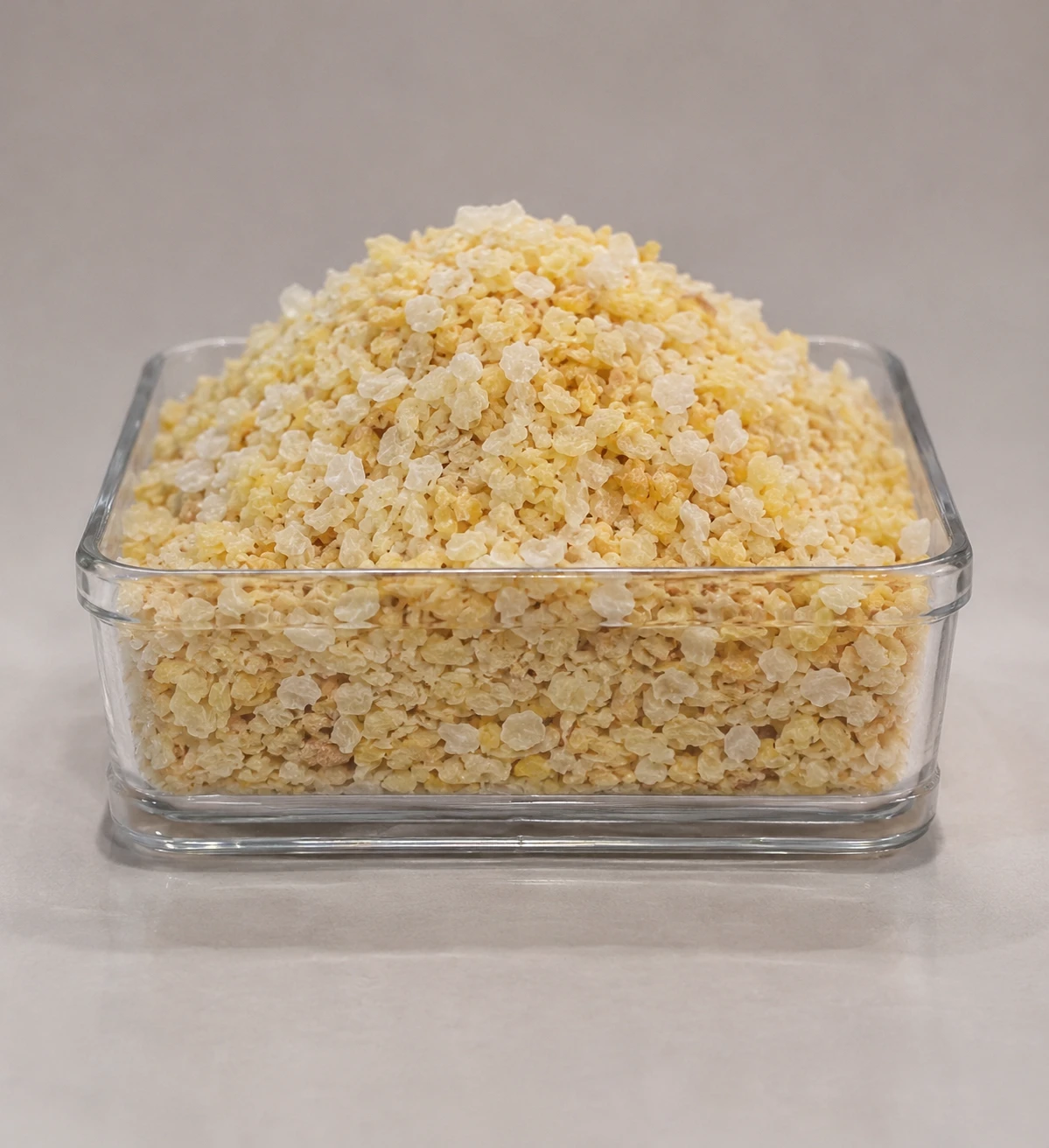
Pink onion, white onion and red onion are useful descriptions in food sourcing, but colour alone does not define a complete industrial ingredient. Buyers also need to know the product form, grade, specification and intended use. A fresh whole onion enquiry is different from an enquiry for dehydrated flakes or powder, even when a familiar colour name appears in both.
This guide helps commercial buyers separate visual descriptions from technical requirements. It does not claim that one onion colour is always sweeter, healthier, stronger or more suitable than another.
Start with product identity
Ask what the supplier is offering: fresh bulbs, dehydrated pieces, granules or powder. Then establish the onion type and the offered grade. The product name should correspond with the purchase description and documentation, especially when a company uses local or trade terminology.
Photographs are helpful, but they cannot establish identity or all the properties of a lot. A website image may illustrate an ingredient without representing every size or grade available. Confirm the actual form and specification before interpreting a product label as a technical guarantee.
White onion ingredients
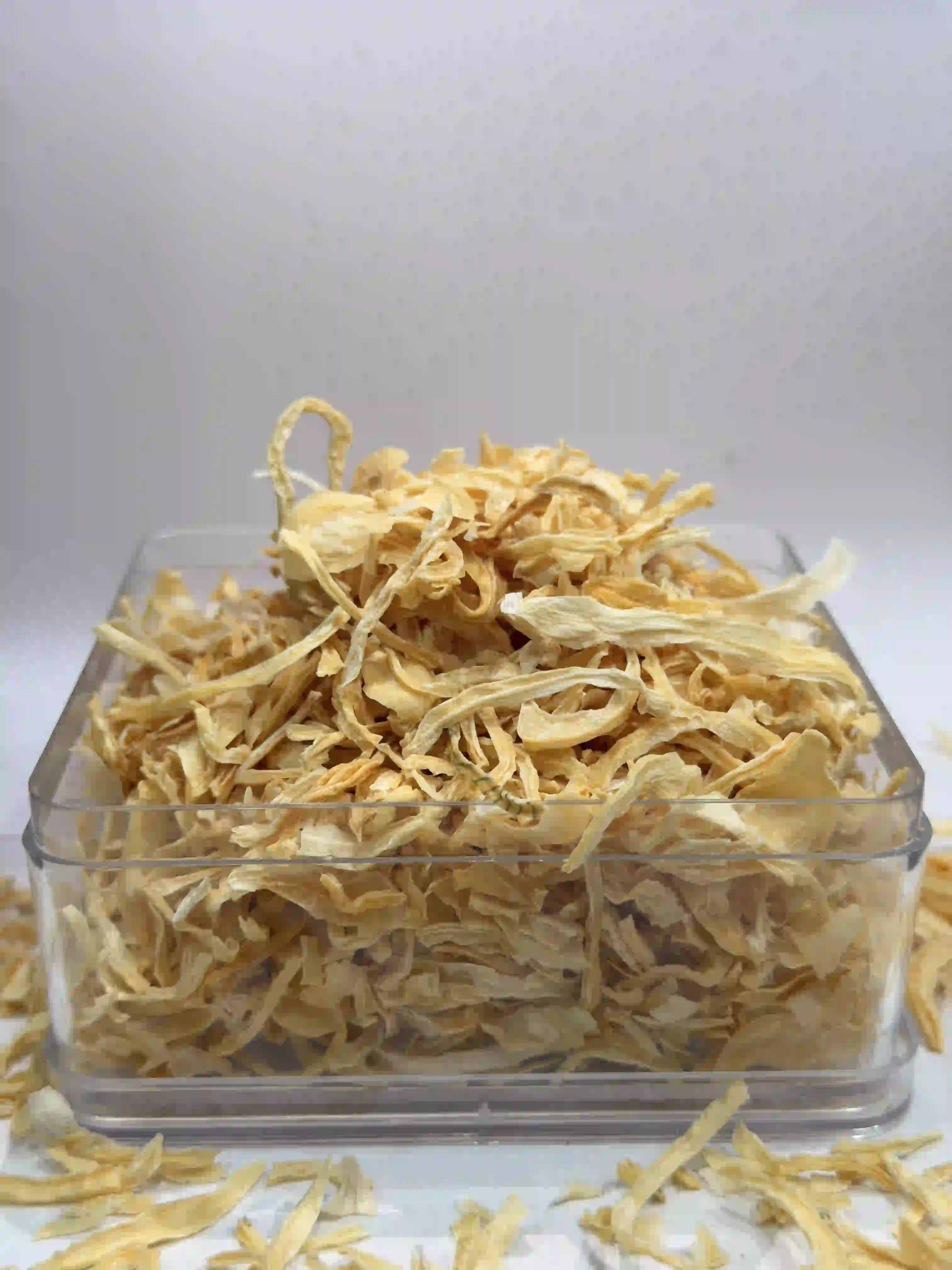
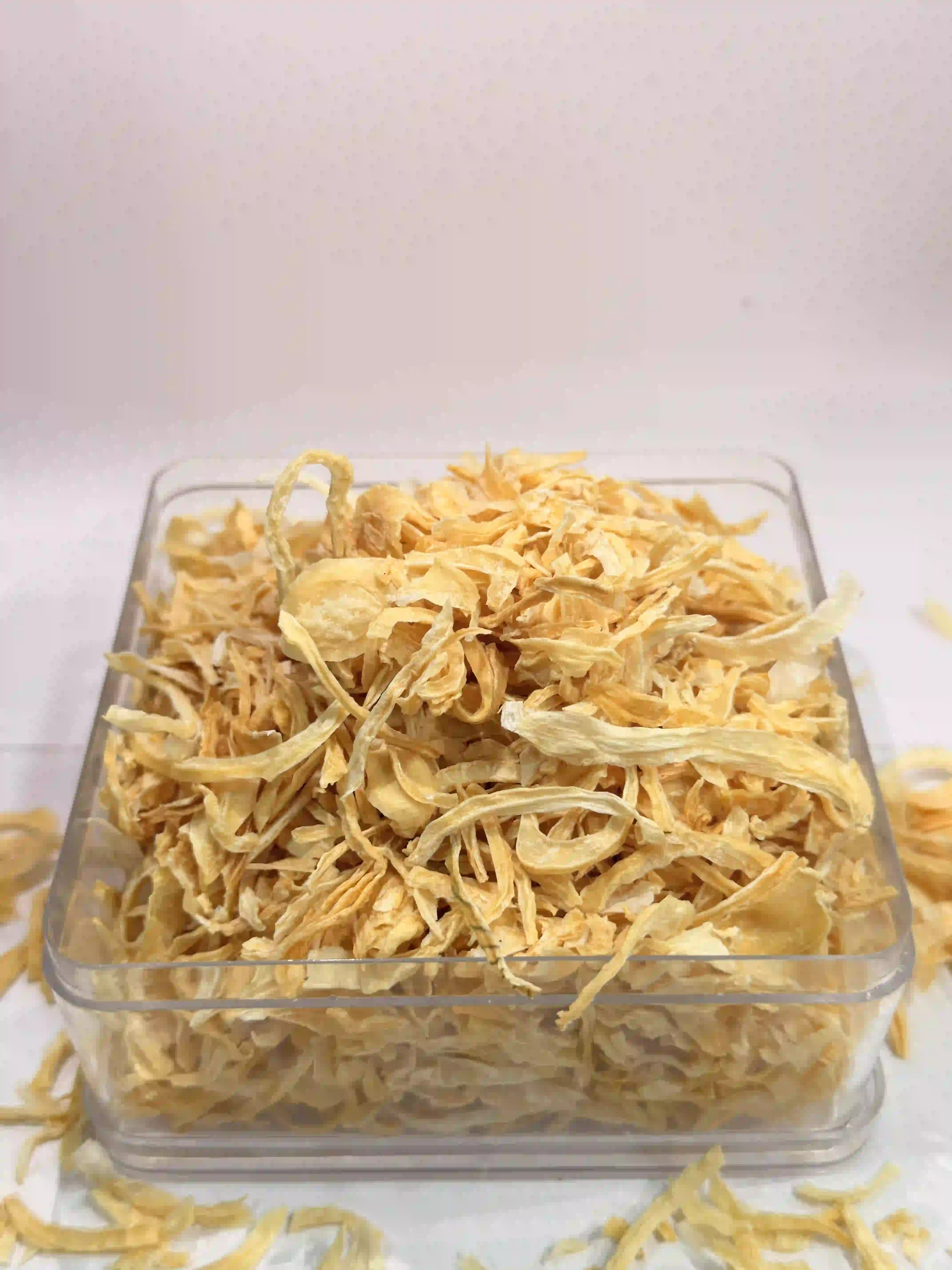
White onion is represented in dehydrated formats such as flakes or kibbled onion, granules and powder. The application choice should be based on the desired appearance, distribution and process behaviour.
For a smooth food, the developer may evaluate a fine format. For a recipe with visible vegetable pieces, flakes or minced material may be more relevant. These are format decisions, not proof that every white onion product shares the same flavour or size specification.
Red onion ingredients
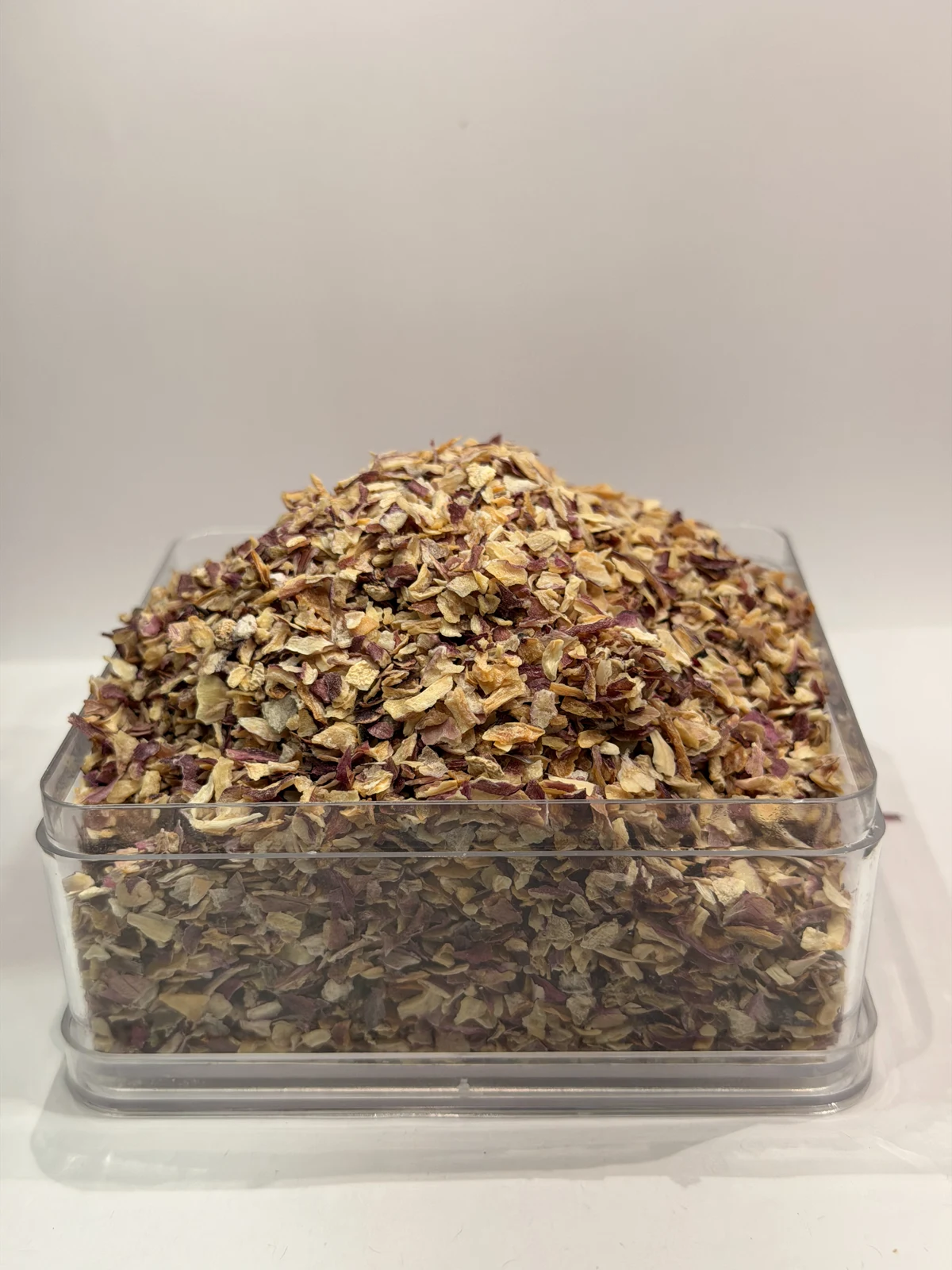
Red onion flakes can be discussed where the formulation or purchasing brief calls for that ingredient type. Review the supplied appearance and assess it after the full production process. A colour difference in the dry ingredient may not produce the same impression in every finished food.
Ask which characteristics the supplier controls and how the commercial grade is identified. Where the buyer has an approved reference, compare a proposed alternative in the actual recipe. Avoid accepting a substitution based solely on a similar photograph or a broad description such as chopped onion.
Pink onion enquiries
The Pink Onion product page is an enquiry starting point. Buyers should confirm the available product form, variety, size or cut, packaging and current supply. A trade name alone should not be taken to establish whether the offer is whole fresh material or a processed ingredient.
When requesting a sample, explain exactly what is needed. If your requirement is for fresh whole onion, say so. If it is for a chopped or dehydrated onion ingredient, identify that separately. Clear wording avoids a situation where the supplier and buyer attach different meanings to the same short product name.
Compare the application rather than assumptions
For commercial recipes, colour, texture and flavour should be assessed together under the intended process. Heating, hydration, ingredient interactions and serving conditions can affect the result. A general expectation about an onion type is not a replacement for a controlled trial.
| Buying question | Why it matters |
|---|
| What product form is offered? | Fresh and dry ingredients require different recipe treatment |
| Which grade identifies the sample? | Repeat orders need a consistent reference |
| Is colour important in the finished food? | Dry appearance alone may not predict the final result |
| What particle size is needed? | Format affects visibility and texture |
| Which documents are required? | Technical approval depends on actual evidence |
Fresh versus dehydrated purchasing
Fresh material contributes water as well as onion solids. A dehydrated ingredient changes that balance. If a recipe is being converted, the developer should review water and solids together and validate the proposed addition level. Do not use a universal conversion factor without application evidence.
Commercial handling also differs. Fresh and dry materials may need different receiving, preparation and storage arrangements. Obtain instructions appropriate to the offered product and check whether the buyer's facility can maintain them throughout use.
Specification and sample approval
Request the current specification for the offered grade. Include any essential origin, treatment or certification requirement in the enquiry, and ask for confirmation rather than assuming it applies. Approval should relate to the specific product and intended use.
Compare candidate samples in a consistent recipe. Record the sample identity, addition level, processing conditions and assessment time. Retain a reference where appropriate and make sure the purchase discussion identifies the approved grade. Changes should follow the buyer's normal review process.
Avoid unsupported claims
Onion colour is not evidence of a universal nutritional or medical benefit. This website does not use colour descriptions to promise health outcomes. Nor does a colour name establish manufacturing capacity, certification, treatment or export eligibility.
For buyers, the useful claims are the ones connected to an applicable specification and documented supply. Ask a precise question when a property matters, and keep unresolved requirements visible until they have been confirmed.
Documenting the decision
Distributors should also clarify the wording used in their customer-facing catalogue. If a short trade name is retained for familiarity, the accompanying description and quotation should identify the actual form offered. This is especially useful when a product image illustrates chopped material while an older description mentions whole bulbs. Resolve any mismatch in the commercial brief before a customer interprets the catalogue as a confirmed specification.
Frequently asked questions
Is pink onion the same as red onion?
Names can be used differently across markets and suppliers. Confirm the actual product description, form and grade instead of assuming equivalence.
Can onion colours be substituted in a recipe?
A substitution may affect appearance or sensory characteristics. Evaluate the proposed ingredient in the complete recipe and follow the buyer's approval procedure.
Does a product photograph show the exact shipment?
It should be treated as an illustration unless explicitly linked to a representative sample or lot. The specification and agreed commercial description remain essential.
Making your enquiry clear
Specify the product form first, then the onion type, application, quantity and destination. Review the onion category and send your requirements so the available product and documentation can be confirmed before purchase.