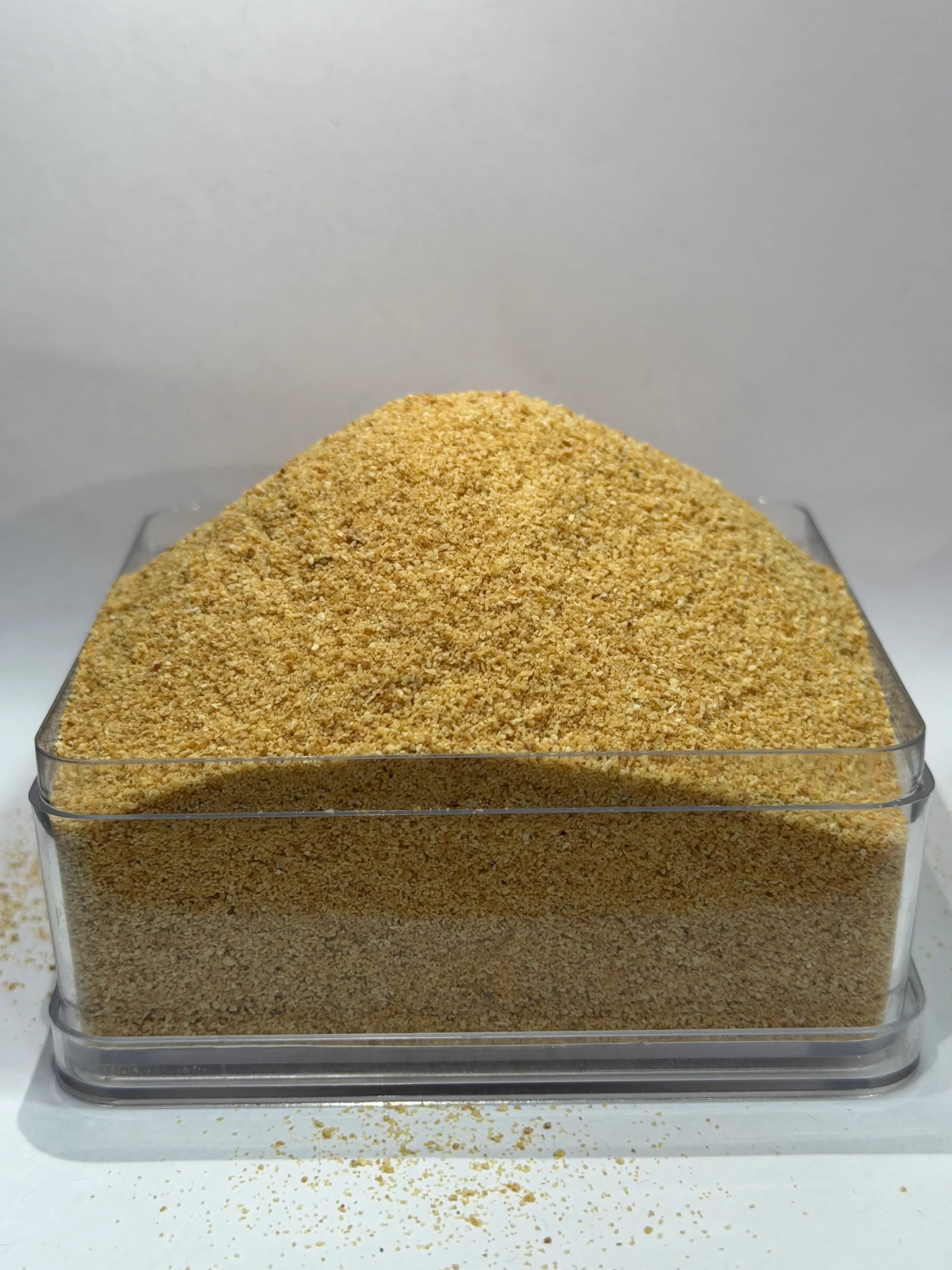
Understanding dehydrated onion processing helps commercial buyers ask more useful questions about ingredient quality. A product name and a photograph tell only part of the story. The raw material, preparation, drying, size reduction, packing and handling all contribute to the ingredient received by a manufacturer.
This article describes a general processing framework. It is not a statement that every supplier uses identical equipment, treatments or operating conditions. Ask OM Food and Spices LLP to confirm the process and documentation applicable to the particular product offered.
Raw material and preparation
Processing starts with identifying suitable onion material and preparing it for the intended ingredient. Buyers should understand which onion type is being offered and how incoming material is assessed. Variety and origin can matter to a buyer's programme, but no visual characteristic alone establishes compliance with a specification.
Preparation may include sorting, cleaning and cutting before drying. The precise sequence and controls depend on the facility. A purchasing team should ask how the supplier manages material identity and removes unsuitable material rather than treating a broad process illustration as evidence of a validated control system.
Connect the process to the purchase specification
The useful question is not simply whether an operation has a cleaning machine. Ask which product characteristic or hazard the control addresses, how it is monitored and what documentation is available. The buyer's technical team can then decide whether the evidence meets its approval requirements.
Drying and subsequent handling
Drying removes water from the prepared onion. The outcome needs to meet the supplied product's requirements, including whichever moisture or other technical limits the parties agree. Do not infer a specific drying temperature, final moisture or shelf life from the ingredient name.
After drying, the product still requires appropriate handling. A dry material can be affected by moisture exposure, contamination or physical damage. Buyers should discuss how the supplier protects the material between process stages, during packing and through storage before dispatch.
Cutting, milling and grade separation
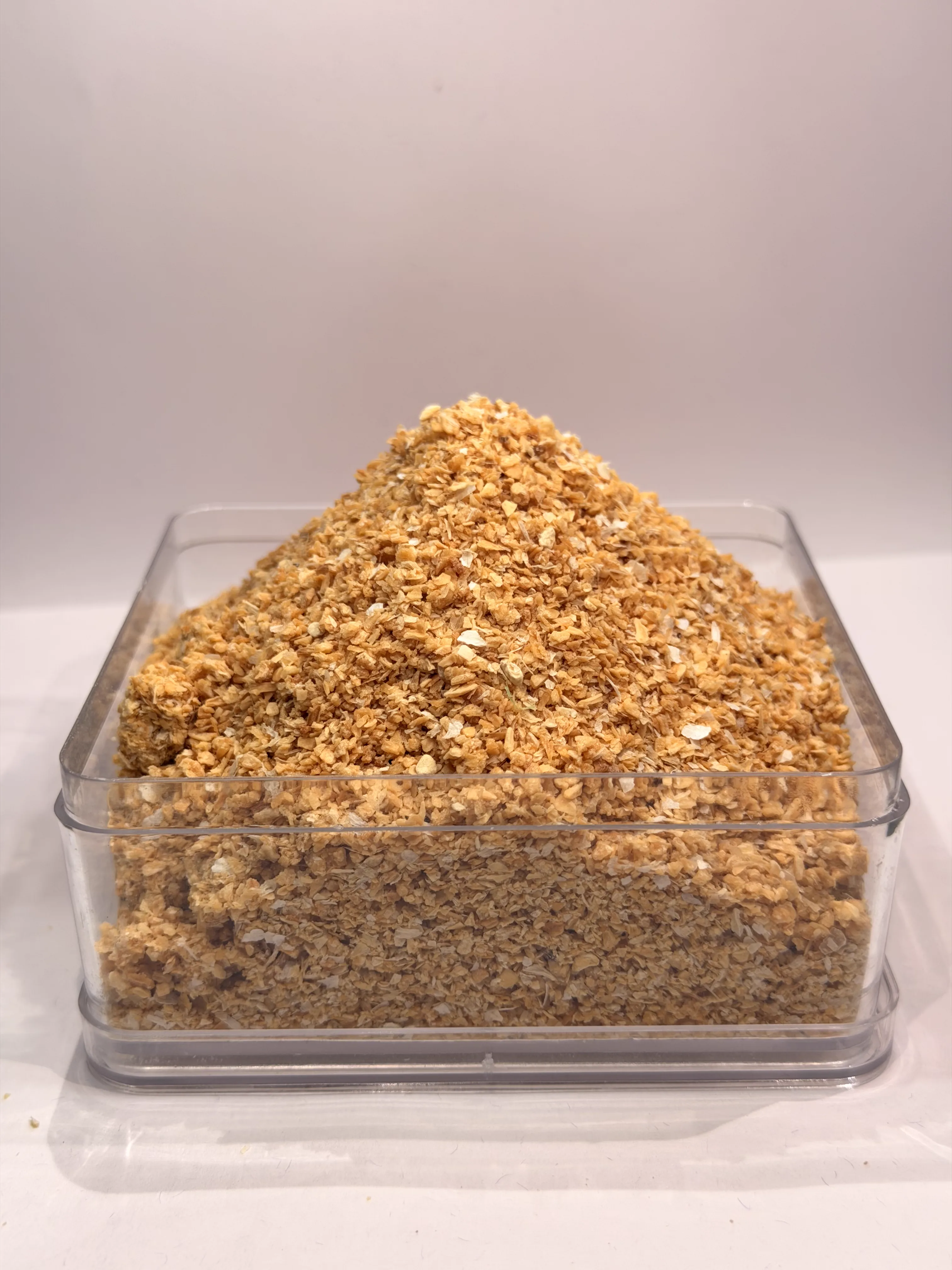
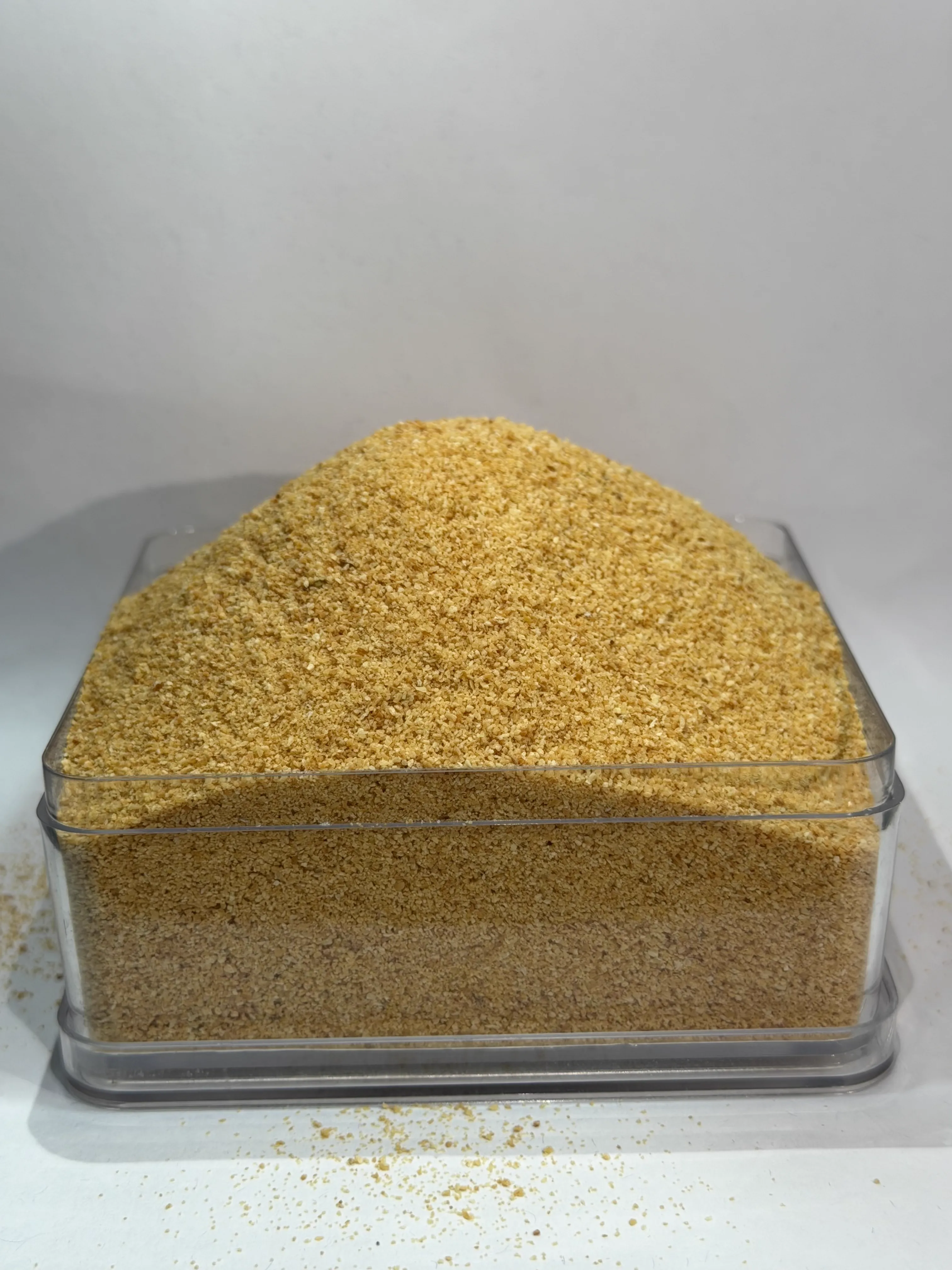
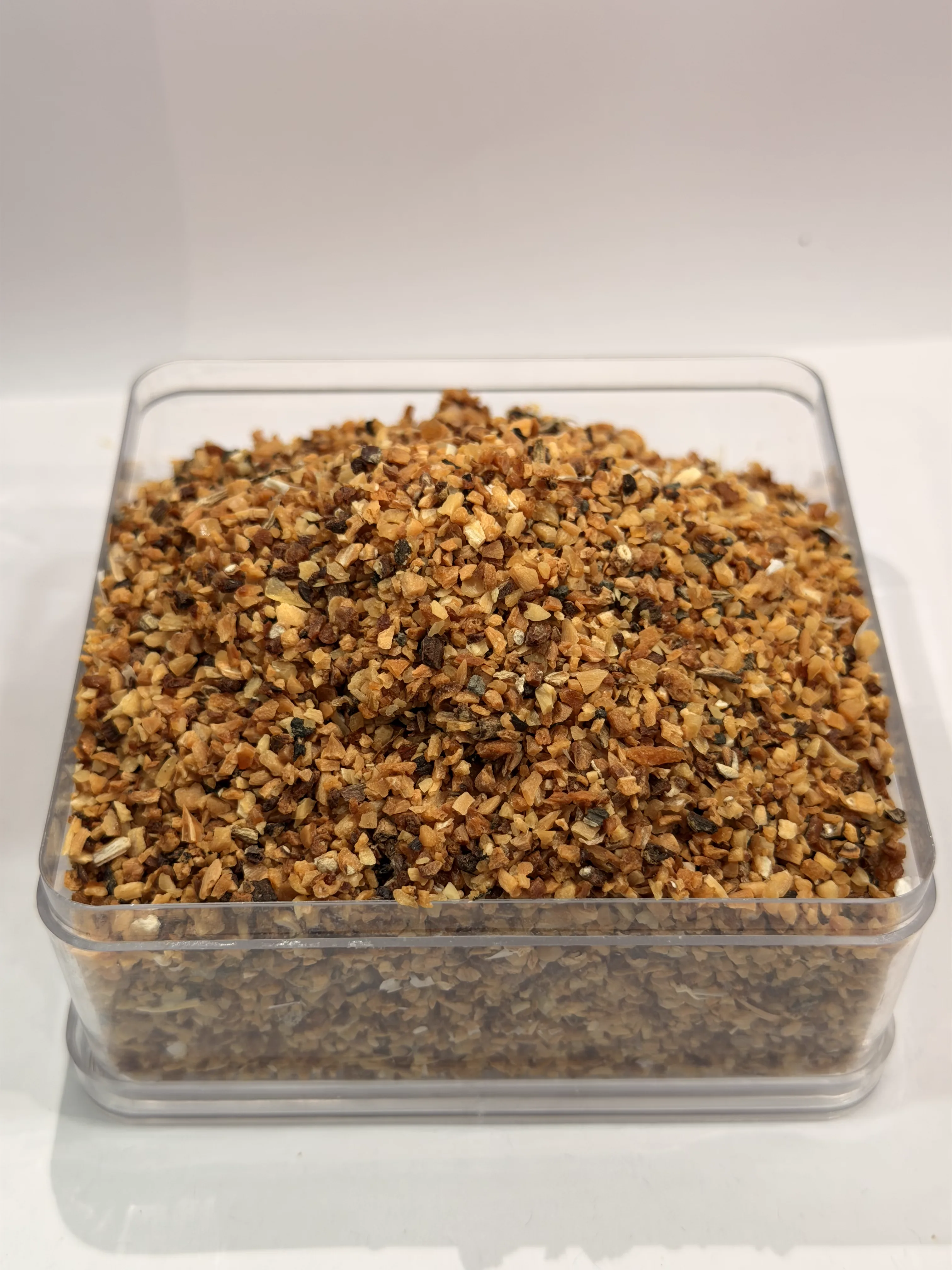
Different formats may be created or separated to provide flakes, minced pieces, granules and powder. Each grade should be identified clearly. A buyer asking for a particular cut size should request the supplier's method of defining and checking it, including any relevant limits on fines or oversized material.
For a format comparison, see the dehydrated onion overview. Product developers should evaluate particle distribution in the food application, because a grade can meet a written size description yet still perform differently from a previously approved material.
Quality checks buyers should discuss
Identity and traceability
A lot reference links material to its records. Confirm how supplied bags or cartons are identified and what information appears on accompanying documents. If several grades are purchased, ensure the label and purchase description distinguish them unambiguously.
Physical and sensory criteria
Size, colour, aroma and foreign-material expectations should be agreed using suitable methods. Photographs are useful for communication but cannot establish all these criteria. Technical approval should include a representative sample and the documents required by the buyer's purchasing process.
Microbiological and treatment requirements
Requirements depend on the ingredient's intended use and the buyer's control programme. Drying alone should not be assumed to establish a ready-to-eat status. If a treatment or specific test is required, identify it before ordering and confirm its applicability to the actual grade and lot.
Equipment photographs and process diagrams help a buyer understand a facility, but they are not substitutes for approval evidence. A diagram may omit intermediate steps or describe only one product route. Ask the supplier to clarify where the offered material fits in that process.
Likewise, a certification should be checked for scope and current applicability. A logo displayed online does not establish that every product, facility or shipment meets the buyer's requirements. Do not present another supplier's certificate or treatment as evidence about OM Food and Spices LLP.
Packaging and dispatch controls
Packaging should be assessed against the ingredient, handling route and destination. Discuss pack size, inner protection, sealing, lot identification and any special customer requirements. Availability of a particular packaging format needs confirmation; it should not be assumed from a generic product page.
Receiving teams should inspect deliveries for damage and compare the lot references with documentation. A technical specification remains useful after purchase because it provides the reference for incoming checks and for investigating any difference between the approved sample and the received shipment.
Practical supplier questions
Prepare a short, prioritized questionnaire instead of sending an unfocused list of every possible document. Explain the intended food application and which requirements are essential. Ask for the product specification, relevant process information, available lot documentation and the method used to communicate changes.
When evidence is unavailable, record the gap and resolve it before making a claim about suitability. Commercial urgency should not turn an unanswered technical question into an assumed guarantee. The appropriate approval decision belongs to the buyer's qualified technical team.
Documenting the decision
When reviewing a process diagram, choose one offered product and trace its route from intake to dispatch. Ask where its grade is assigned, when its lot identity is created and which records follow it into the final pack. This focused exercise is often more informative than collecting an equipment list without understanding how the individual steps connect to the ingredient you intend to purchase.
Frequently asked questions
Does a process page prove product safety?
It provides context, not complete proof. Approval depends on the product, intended use and documented controls. Ask for evidence relevant to your own requirements.
Are all onion grades made through the same process?
Not necessarily. Different products can involve different cutting, milling, handling or treatment routes. Confirm the process for the grade offered.
Should I specify a maximum moisture value myself?
Technical limits should come from the buyer's application requirements and an informed specification discussion. Avoid copying a number from an unrelated product without understanding the basis.
From process knowledge to a purchase decision
Use processing information to ask targeted questions, connect those questions to measurable requirements and document the approval. Visit Our process for the website's available company information, explore onion products, or request product and documentation details for your intended application.