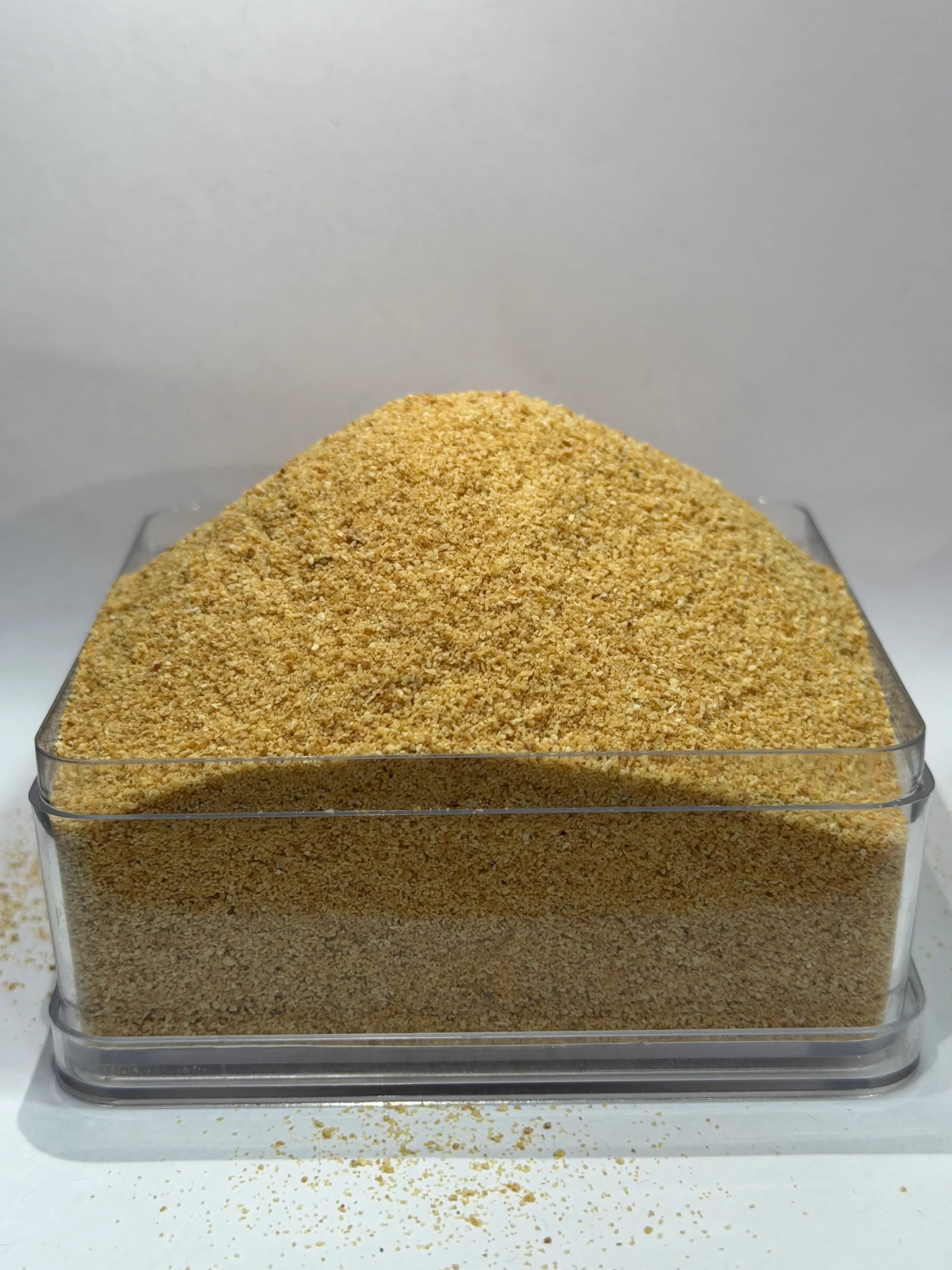
Food manufacturers use dehydrated onion and garlic because dry ingredient formats can fit the practical needs of commercial production. Those needs include recipe consistency, controlled addition, convenient preparation and different requirements for visible texture. The business case is strongest when it is tested against a specific manufacturing process rather than presented as a universal saving.
This article examines the reasons buyers consider these ingredients and the limits of the comparison. It avoids claiming that a dry ingredient automatically improves nutrition, safety, cost or shelf life in every finished food.
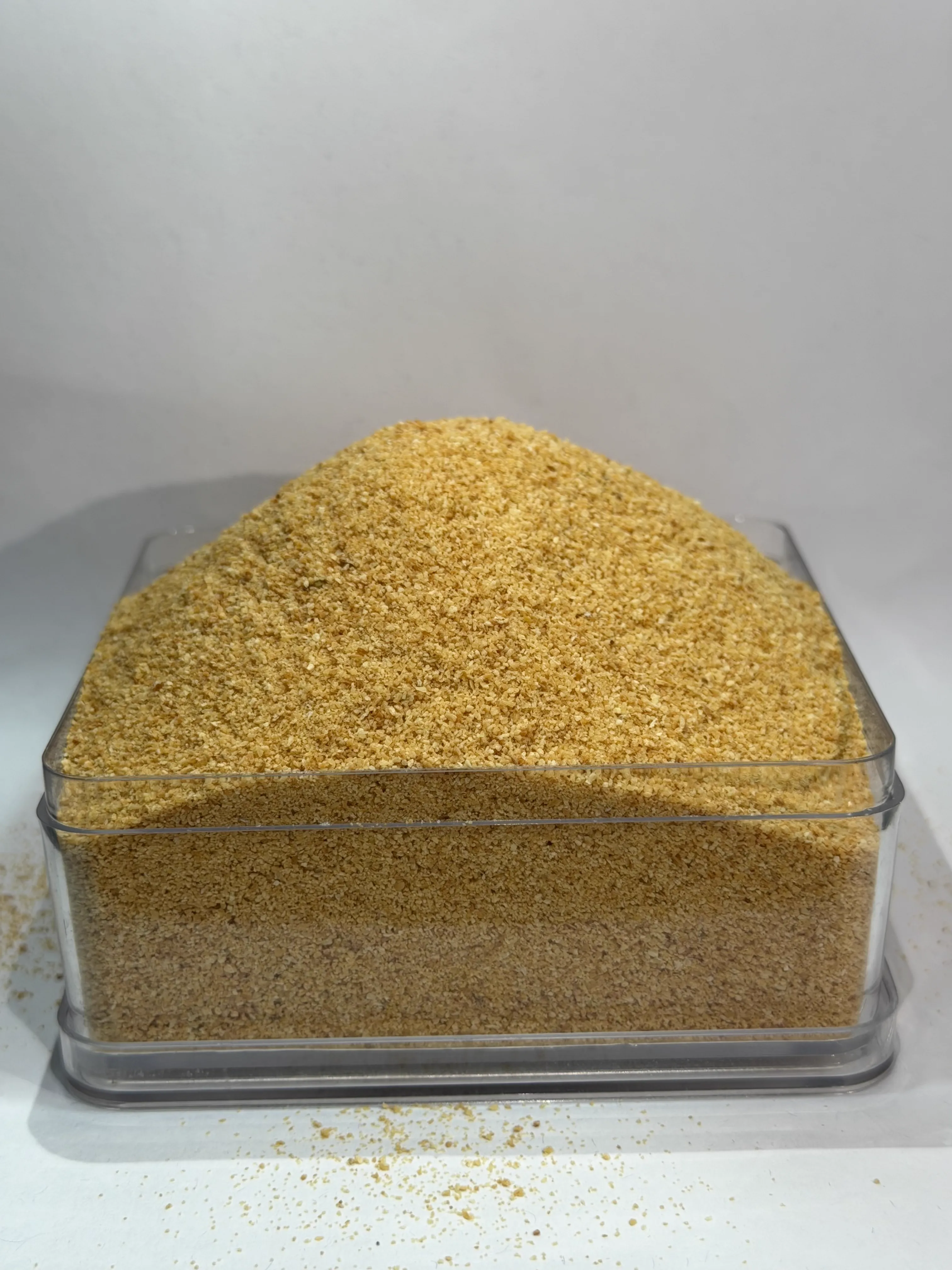
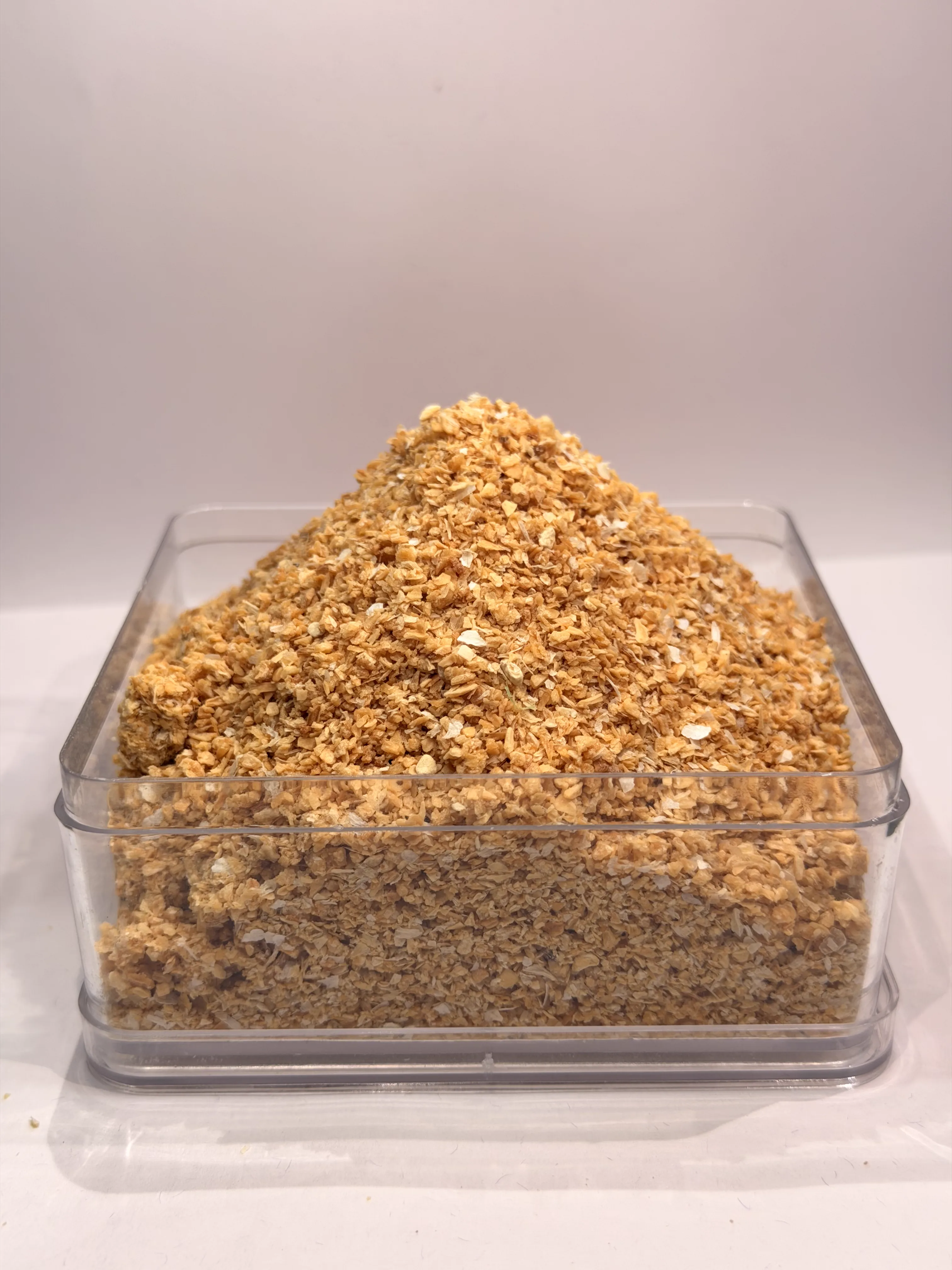
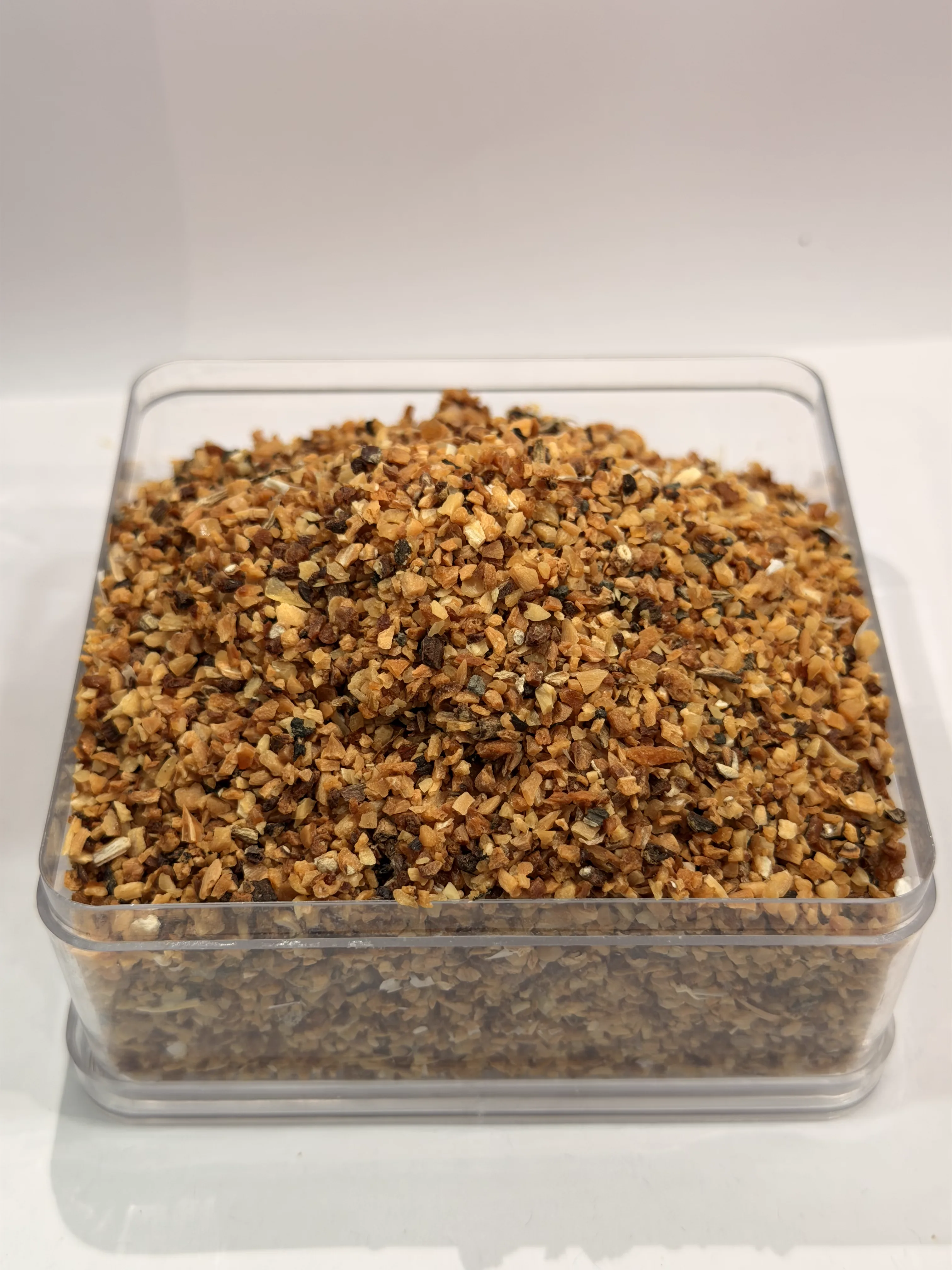
Onion and garlic are offered as flakes, smaller pieces, granules and powders. This range lets developers evaluate texture and distribution separately. A dry seasoning may need a fine ingredient, while a prepared meal may call for visible pieces. The correct format connects the ingredient to the intended eating experience.
Start by reviewing the onion range and garlic range. Treat each product description as an introduction to an enquiry, not a complete technical specification. Confirm the grade, cut size and documentation relevant to your application before approval.
Preparation and labour considerations
Using a prepared dry ingredient may remove some handling steps associated with whole fresh material. That can be useful where a production line needs ingredients that are ready to weigh into a formula. However, the actual labour benefit depends on existing equipment, staffing, packaging and the way materials are transferred.
Build a simple process comparison. Identify which steps are removed, which remain and whether any new steps are needed. Rehydration, dust management, different measuring procedures or opened-pack controls can all affect the outcome. A realistic evaluation accounts for them rather than comparing purchase price alone.
Evaluate cost in use
Calculate the approved addition level and include relevant operational effects. If a new ingredient requires a recipe adjustment, trial cost and change control belong in the decision. Do not assume a universal fresh-to-dry conversion ratio or a fixed percentage saving.
Repeatable recipe addition
A clearly specified dry ingredient can be weighed into a documented formulation. This supports repeatability when the material, weighing method and production procedure are controlled. It does not eliminate variation automatically. Incoming checks, correct storage and a consistent recipe remain important.
For multi-shift operations, make the ingredient name and grade clear on production instructions. Abbreviations such as onion mix or garlic can conceal differences between flakes, minced material and powder. A precise identifier helps operators use the material that the recipe was approved with.
Logistics and stock handling
Dry formats can be useful in supply planning, but the buyer still needs product-specific storage and shelf-life information. Confirm packaging, delivery conditions and available documentation with the supplier. Do not replace these with a generic internet shelf-life estimate.
Stock rotation should use lot identification and the manufacturer's applicable instructions. Opened material may need additional controls to protect it from moisture and contamination. The convenience of a dry ingredient should not encourage unlabelled decanting or loosely closed bags on the production floor.
Supporting development across product categories
Manufacturers may evaluate onion and garlic ingredients in snacks, sauces, soups, savoury bakery products, prepared meals and seasoning blends. The same product does not necessarily fit every category. The liquid phase, heat exposure and handling route can change the result.
For example, a granulated ingredient that works in a dry blend may look too coarse in a smooth sauce. A visible flake approved for one soup may not suit a product with a different preparation procedure. Keep approval tied to the application and verify substitutions through a controlled trial.
Technical approval remains essential
Convenience and consistency do not establish food safety suitability. The buyer should identify intended-use requirements, relevant specifications and necessary supplier documentation. If a specific treatment or certification is essential, obtain confirmation for the offered grade and lot as appropriate.
Do not infer that dehydration is a universal kill step. A product intended for further processing should not be described as ready to eat without suitable evidence. The technical team's assessment should guide which supplier information is needed and what checks apply at receipt.
A practical evaluation sequence
- Define the finished food and desired onion or garlic character.
- Select candidate forms and request identifiable samples.
- Compare them in a controlled recipe trial.
- Assess production handling as well as sensory results.
- Review specifications, packaging and documentation.
- Calculate the commercial outcome using approved addition levels.
- Record the product and process that have been accepted.
This sequence makes procurement discussions more useful because the supplier and buyer can refer to the same application brief. It also helps prevent a good development sample from being disconnected from the grade ordered later.
Documenting the decision
For a purchasing review, ask development, production and quality to describe the same proposed change independently. Development may focus on flavour, production on handling and quality on evidence. Bring these requirements into one approval record before ordering. A shared record makes it easier to distinguish a commercial alternative from a technically accepted replacement and prevents separate teams from working with different product descriptions.
Frequently asked questions
Are dehydrated ingredients always cheaper than fresh ingredients?
Not necessarily. Compare cost in use for the actual recipe, including quantity, preparation, handling and commercial terms. A general price comparison does not establish the result for your operation.
Do dry ingredients remove the need for incoming inspection?
No. Check product identity, packaging condition, lot information and the agreed technical requirements. Maintain the buyer's normal approval and receiving procedures.
Can one approved grade be used across all products?
Possibly, but each application should be assessed. A shared grade can simplify purchasing only if it meets the technical and sensory needs of every intended recipe.
Turning interest into an ingredient brief
Document what you want the ingredient to achieve, what the process requires and which conditions are essential. Read the bulk supplier selection guide or request product details with your application, quantity and delivery destination. Specifications and availability are confirmed for each enquiry.